


Introduction to the best edible oil for cooking:
Standing in front of the oil shelf, you might feel unsure which bottle to pick. Choosing the best edible oil for cooking depends on three simple things:
How you cook (low vs. high heat), the oil’s fatty acid profile, and how it fits into your daily diet.
In this guide, I’ll walk you through canola and soybean oils in plain language, compare them side by side, and give straightforward recommendations so you can decide which is best for your kitchen.
Along the way, you’ll see short study snapshots and practical tips that make the choice easy to act on.
Ultimately, using the right oil for the right job makes a real difference in taste, safety, and health.
Overview of Conola Oil: A Great Everyday Oil:
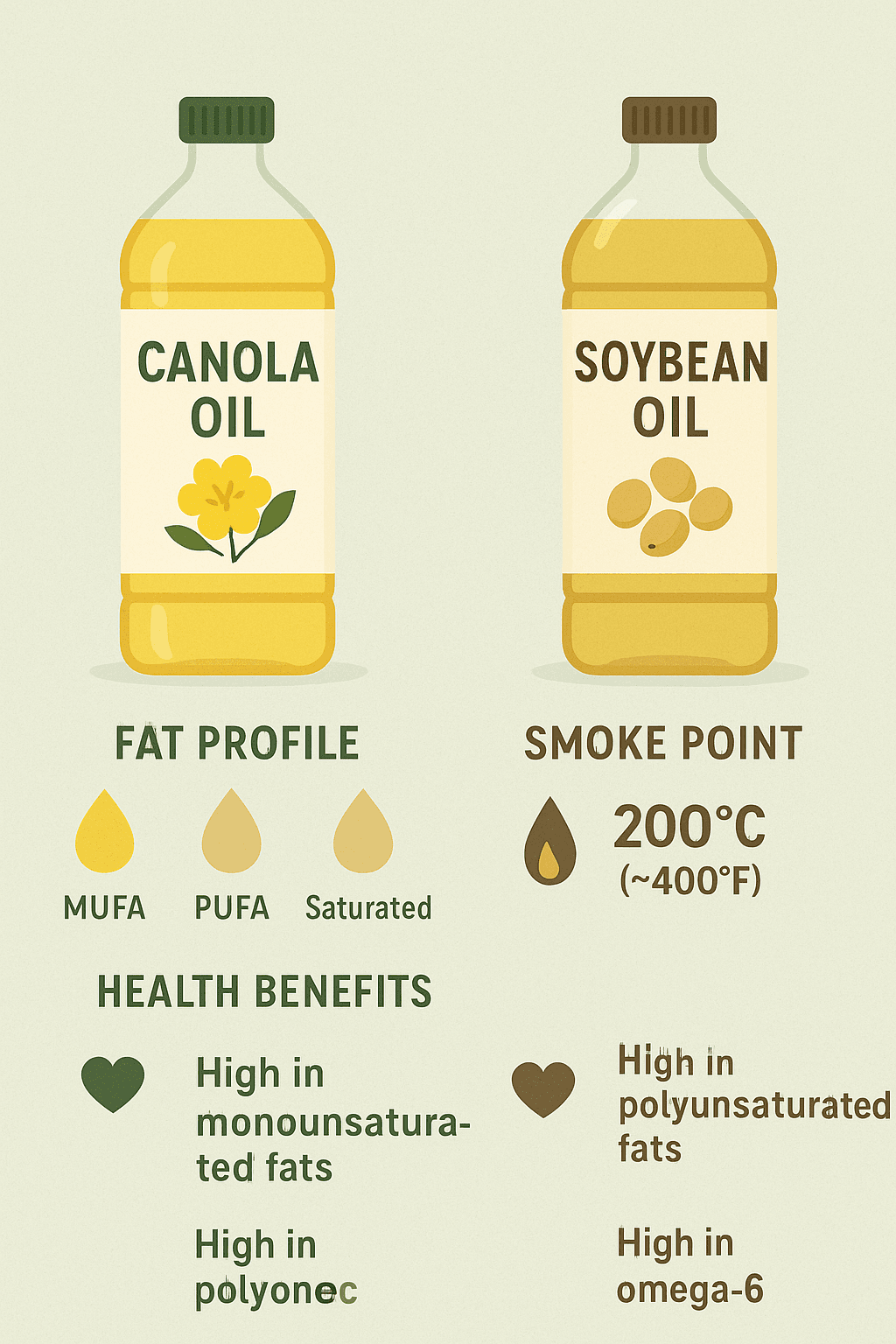
Canola was developed from rapeseed to reduce unwanted compounds and make a milder, safer oil.
You’ll usually find two types at the store: refined canola for high-heat cooking and cold-pressed canola for dressings or gentle sauteing.
Because canola is neutral in flavor and versatile, many home cooks reach for it when they want a dependable, unobtrusive oil.
Use it for stir-fries, light frying, baking, and vinaigrettes.
Moreover, swapping canola for butter or ghee often improves a meal’s fat profile without altering its character.
Vitamins and Antioxidants (Canola) Quick bullets:
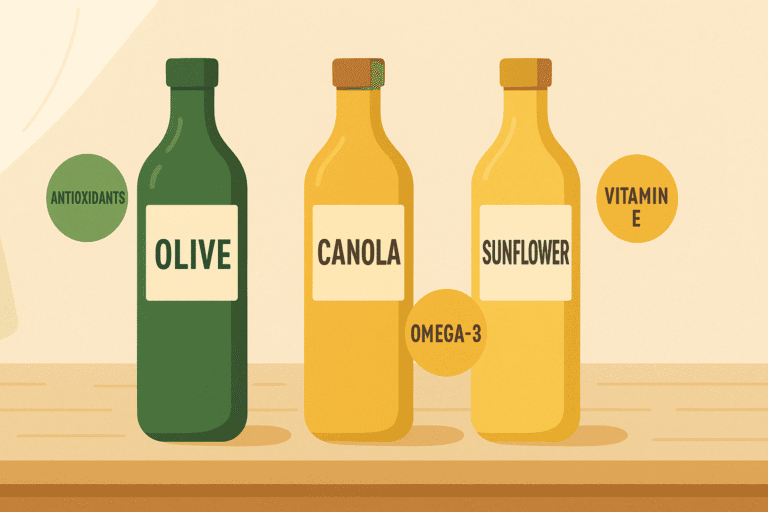
- Vitamin E (tocopherols) helps slow oxidation.
- Small amounts of vitamin K.
- Cold-pressed versions retain more natural antioxidants; refining reduces them.
Health Benefits of Canola Oil: (Best edible oil for cooking ) clear points in prose:
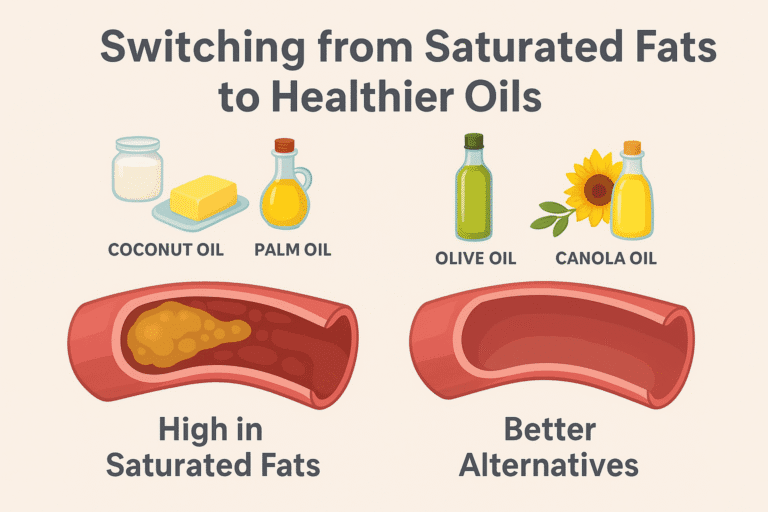
Canola is low in saturated fat and rich in monounsaturated fats, which help lower LDL cholesterol when it replaces solid fats.
Importantly, it also provides some alpha-linolenic acid (ALA), a plant-based omega-3 that many diets lack.
For weight management, canola isn’t a magic bullet: it’s calorie-dense like any oil, so portion control matters.
However, when used as a replacement for saturated fats in a balanced diet, canola supports heart health goals and keeps meals flexible and tasty.
Overview of Soybean Oil: practical and heat-hardy:
Soybean oil is derived from soybeans and is one of the world’s most widely used cooking oils.
Most commercial varieties are refined to be neutral-tasting and tolerant of high heat, while high-oleic soybean options are becoming more common.
Because soybean oil is abundant and cost-effective, many restaurants and food manufacturers prefer it.
It works well for deep frying, bulk cooking, and baked goods. If you often cook for crowds or use a lot of oil, soybean is a pragmatic, budget-friendly choice.
Vitamins and Antioxidants (Soybean) quick bullets: Best edible oil for cooking,
- Good source of tocopherols (vitamin E)
- Contains phytosterols that can support cholesterol management when used to replace saturated fats.
- Less-refined oils retain more nutrients; refining reduces some micronutrients.
Health Benefits of Soybean Oil explained: Best edible oil for cooking,
Soybean oil is high in polyunsaturated fats, mainly linoleic acid (an omega-6). Replacing saturated fats with soybean oil typically lowers LDL cholesterol, which benefits heart health.
Concerns about omega-6s and inflammation are common, but typical dietary levels of linoleic acid do not necessarily raise inflammation markers.

Like canola, soybean oil is calorie-dense, so sensible portions and balanced meals matter more than any single ingredient.
Canola vs. Soybean Oil Side-by-Side Comparison:
Nutritional differences (short table): Best edible oil for cooking.
| Property | Canola (refined) | Soybean (refined) |
| Saturated Fat | ~6-7% | 12-15% |
| MUFA (monounsaturated) | ~60% | 22-30% |
| PUFA (polyunsaturated) | ~20-25% (includes some ALA ω-3) | 50-58% (mostly linoleic ω-6) |
| ω-6: ω-3 ratio | ~2:1 (more balanced) | 8 – 15:1 (typically higher ω-6) |
| Smoke point (refined) | ≈200oC (≈400oF) | 230oC (≈450oF) |
Values vary by processing and brand; nonetheless, these ranges make practical differences in cooking and nutrition.
Health benefits comparison practical summary:
Both oils beat saturated fats like butter and ghee when used as replacements. Canola provides a helpful ALA boost, helping balance diets high in omega-6s.
Soybean oil delivers more linoleic acid and is heat-stable, making it ideal for high-temperature frying and commercial kitchens.
For home cooks, both work well if you avoid overheating and don’t reuse frying oil repeatedly.
Fatty Acid Comparison Table Soybean vs. Canola:
| Fatty Acid Type | Canola Oil (%) | Soybean Oil (%) |
| Saturated Fat | ~6-7 | ~12-15 |
| Monounsaturated (MUFA) | ~60-62 | ~22-30 |
| Polyunsaturated (PUFA) | ~28-32 | ~50-58 |
| Linoleic acid (Ω-6) | ~18-21 | ~50-54 |
| Alpha-linolenic acid (ALA, Ω-3) | ~9-11 | ~6-8 |
| Ω-6: Ω-3 Ratio | ~2:1 | ~8 – 15:1 |
| Trans fat (natural trace) | <0.5 | <0.5 |
Which Oil is Best for Cooking? Choose by method and goals:
| Use case | Recommendation | Why / Practical tip |
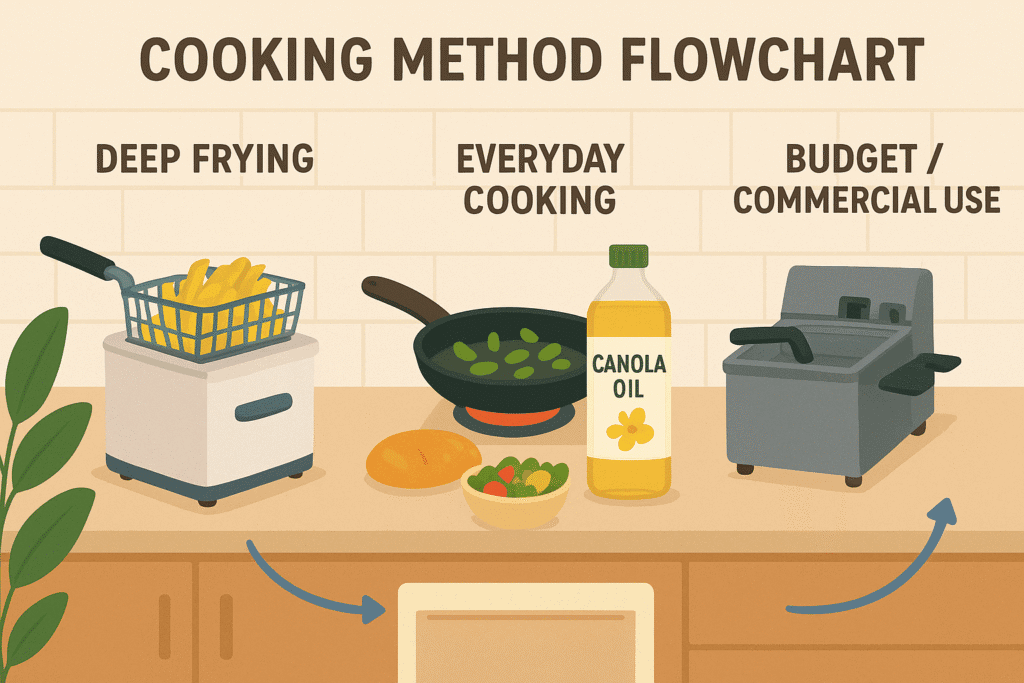
| Deep frying/high-heat | Use canola oil, one of the best edible oils for cooking most families | Higher smoke point and greater heat stability for frying |
| Daily household cooking | Use canola oil, one of the best edible oils for cooking most families | Neutral flavor, balanced fatty-acid profile, good for sauteing and dressing |
| Cost-conscious or large-scale cooking | Use soybean oil | Widely available, economical, and suitable for commercial kitchens |
| Health balance | Rotate oils and include whole-food omega-3 sources (fish, flax) | Provides a variety of fatty acids and improves overall nutrient balance |
| Kitchen safety | Avoid overheating oils and don’t repeatedly reuse frying oil | Prevents oxidation and formation of harmful breakdown products |
Recent Study Snapshots (shorts):
- Canola: Clinical feeding trials show lipid and metabolic benefits when canola replaces saturated fats in controlled diets, making it a practical choice for everyday cooking.
- Soybean: short-term feeding trials demonstrate expected blood fatty-acid shifts with everyday use; no immediate harm in typical diets and straightforward utility for frying and processed foods.
Practical Tips targeted bullets you can use today:
- Match oil to the task: use high-smoke oils for frying, milder oils for dressings.
- Store bottles in a cool, dark place to slow rancidity.
- Avoid visible smoke; it signals oil breakdown.
- Limit the reuse of frying oil; discard after a few uses.
- Measure portions; a tablespoon often does the job.
- Rotate oils weekly for variety in taste and nutrients.
Quick interpretations & recommendations:
Everyday cooking: Canola scores higher. Choose canola for neutral flavor and balanced fats; it’s a great all-purpose household oil.
Frying (general): Both scores similarly; either oil works for routine frying.
Deep Frying: Soybean scores higher for refined soybean (or high-oleic acid) for deep-frying because of better heat tolerance and cost-effectiveness.
Pan Frying: Both canola and soybean are suitable for flavor-neutral pan frying, and soybean handles high-volume pan frying well.
Baking/Low-heat: Canola is preferred for a milder taste and balanced fats.
Expert recommendations & suggestions Canola vs Soybean:
| Aspect | Canola | Soybean |
| Best use | ~230 °C is better for deep fry | Deep frying, bulk/industrial |
| Heat tolerance | ~200oC good for home use | ~230 °C–better for deep fry |
| Health note | Low sat; high MUFA; some ALA | High PUFA (linoleic); lowers LDL |
| Flavor | Neutral, mild | Neutral, slightly robust |
| Quick tip | Rotate with olive; watch portions | Use for high-heat; discard after 2—3 reuses |
Conclusion:
Both canola and soybean outperform many solid fats for heart health when used thoughtfully.
Canola often edges out other oils as the best edible oil for everyday cooking because it’s versatile, neutral, and provides a little omega-3 fatty acids. Soybean shines were heat tolerance and cost; these matter most.
Therefore, use canola for most household cooking, keep soybean for heavy frying, and rotate oils to capture different nutritional benefits.
Small, consistent choices in the kitchen add up to tangible health improvements over time.

Comments are closed.