


Introduction to The Healthiest Cooking Oil:
Everyday Importance of the Healthiest Cooking Oil:
Choosing the Healthiest Cooking Oils for regular meals shapes long-term wellness. Many people use cooking fats daily without realizing how directly they affect cholesterol, heart health, and metabolism.
Therefore, selecting wisely becomes essential. Olive, canola, and sunflower oils dominate kitchens worldwide because they provide versatility and smoother digestion.
However, each one delivers different nutrients, stability levels, and cooking advantages.
Why Daily Usage Needs Smarter Choices:
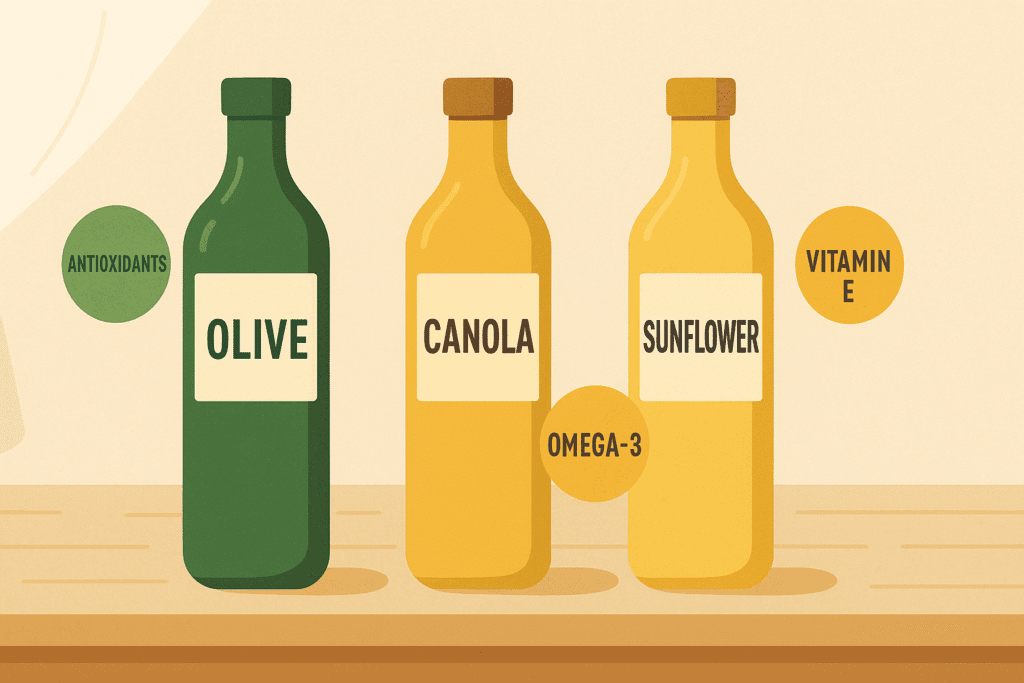
The Healthiest Cooking Oils support flavor, nutrient absorption, and cooking performance. Olive oil delivers antioxidants, vitamin E, and monounsaturated fats. Additionally, canola oil provides omega-3 and omega-6 fatty acids and has a light texture.
Meanwhile, sunflower oil provides polyunsaturated fats and a neutral taste that works with many recipes.
Although all three compete for everyday use, differences in heat resistance, fatty acid ratio, and oxidation risk matter. When people cook with the wrong oil at high temperatures, nutrients break down and harmful compounds appear.
However, using the Healthiest Cooking Oils improves stability and supports clean metabolism.
Consequently, knowledge helps you cook better, digest better, and protect your body without changing your favourite dishes.
Ultimately, a brilliant selection leads to consistent benefits and reliable flavor, making each meal a step toward stronger health.
Nutritional Profile of the Healthiest Cooking Oil:
Key Nutrients That Define the Healthiest Cooking Oil:
To decide which cooking oil is the healthiest, nutrients must be carefully compared.
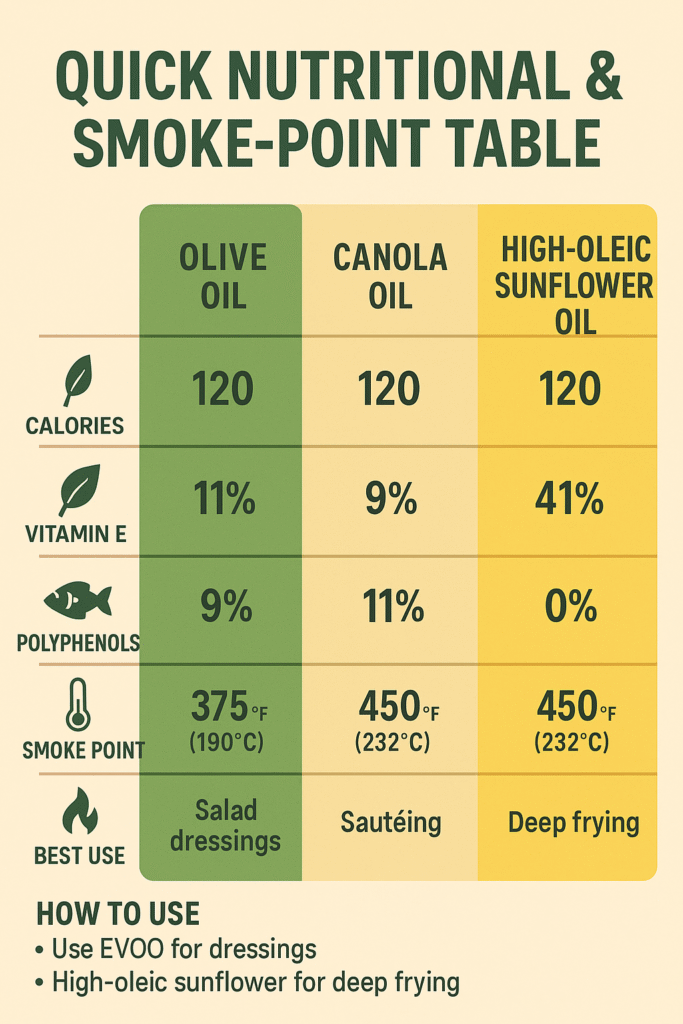
Although each one contains around 120 calories per tablespoon, the quality of those calories varies.
Olive oil carries vitamin E, antioxidants, and potent polyphenols. Meanwhile, canola oil supplies alpha-linolenic acid (ALA), an omega-3 fatty acid that supports brain and heart function.
Sunflower oil offers a clean flavor and a notable vitamin E concentration. However, differences appear in antioxidant strength and fatty acid support.
How Nutrients Influence Daily Health Benefits:
The Healthiest Cooking Oil works with the body instead of against it. When fats contain monounsaturated or polyunsaturated structures, the body breaks them down more efficiently.
Furthermore, oils with vitamin E protect cells from oxidative stress. Olive oils dominate in antioxidant content, while canola provides a balance between omega-6 and omega-3 fatty acids.
Sunflower oil adds lightness and stability in many dishes. The following table helps compare their profiles and choose the Healthiest Cooking Oils for your meals:
Nutritional Comparison Table:
| Nutrient | Olive Oil | Canola Oil | Sunflower Oil |
| Calories | 120 kcal | 120 kcal | 120 kcal |
| Vitamin E | High | Moderate | High |
| Omega-3 (ALA) | Low | Moderate | Trace |
| Polyphenols | Rich | Low | Low |
| Antioxidants | Abundant | Moderate | Moderate |
This breakdown makes it easier to select the healthiest cooking oil based on daily habits and personal nutrition goals.
Fatty Acid Breakdown of the Healthiest Cooking Oil:
Why are these options considered the Healthiest Cooking oils?
Nutritional Strengths That Support Daily Wellness:
People frequently compare olive, canola, and sunflower oils when searching for the healthiest cooking oils.
Their reputation stems from heart-healthy fats, vitamin support, and consistent performance across various cooking methods. Olive oil contains oleic acid, antioxidants, and anti-inflammatory compounds.
Therefore, it boosts arterial protection and cholesterol control. Additionally, canola oil provides an ideal omega-3-to-omega-6 balance that supports brain and heart health.
Sunflower oil contains vitamin E and a gentle flavor that complements a wide range of dishes without overpowering them.
Practical Cooking Advantages of the Healthiest Cooking Oil:
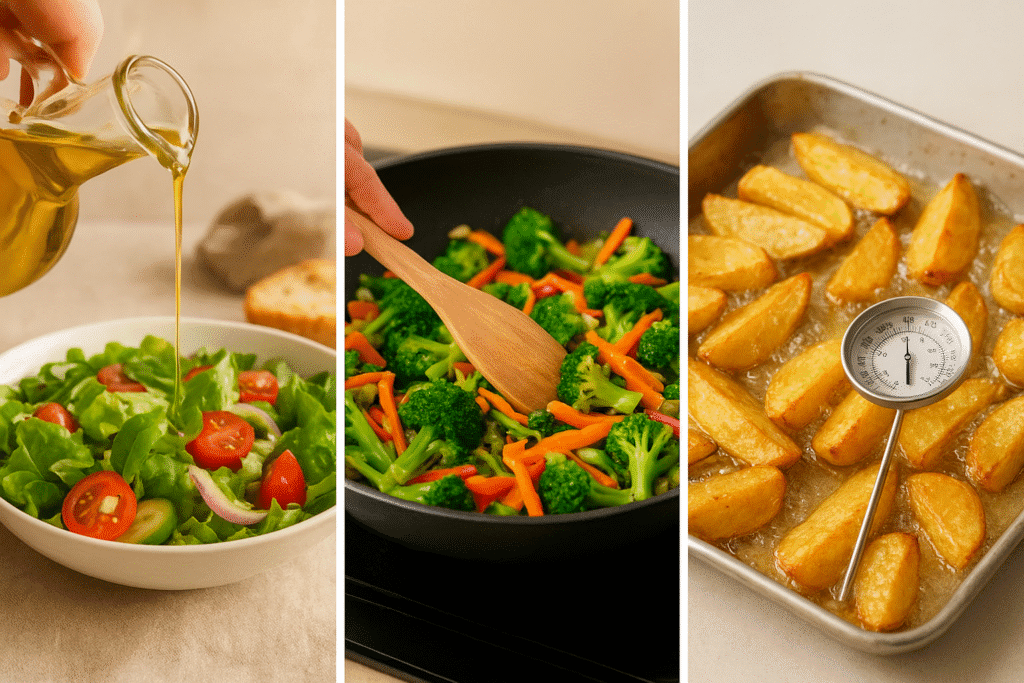
Beyond nutrients, the healthiest cooking oil must perform well in everyday cooking without losing quality. Olive oil pairs well with salad dressings and medium-heat dishes.
Meanwhile, canola oil is well-suited for baking, sautéing, and stir-frying.
Sunflower oil performs well at higher cooking temperatures when used with awareness of its omega-6 content.
Consequently, all three oils provide safer alternatives to butter, palm oil, and hydrogenated fats. When cooks compare them directly, olive and canola oils often lead the list.
However, sunflower oil remains useful for its neutral taste and vitamin E content.
Ultimately, each choice supports a healthier plate, and selecting the healthiest cooking oils ensures flavor, balance, and long-term protection.
A Comparison of Popular Edible Oils:
Choosing the healthiest cooking oil can significantly impact your health and daily nutrition.
With so many vegetable oils available on the market, it’s essential to understand which offer the most significant benefits and why.
In this article, we’ll compare three of the most commonly used vegetable oils: Olive Oil, Canola Oil, and Sunflower Oil to help you decide which is the healthiest choice for your kitchen.
1. Olive Oil (Extra Virgin):
Overview: Olive oil, especially extra virgin olive oil (EVOO), is considered one of the healthiest oils in the world. It is extracted naturally from olives and is rich in antioxidants.
Health Benefits:
High in monounsaturated fats (especially oleic acid), C18.1.2,3 is greater than 90%.
Contains polyphenols and antioxidants. Supports heart health and helps reduce bad cholesterol (LDL)
May reduce inflammation in the body
Best Use:
Salad dressings, Topping, dipping
Not ideal for deep frying due to a lower smoke point (~375°F/190°C)
Verdict:
Best for raw use and light cooking. Great for heart health.

2. Canola Oil:
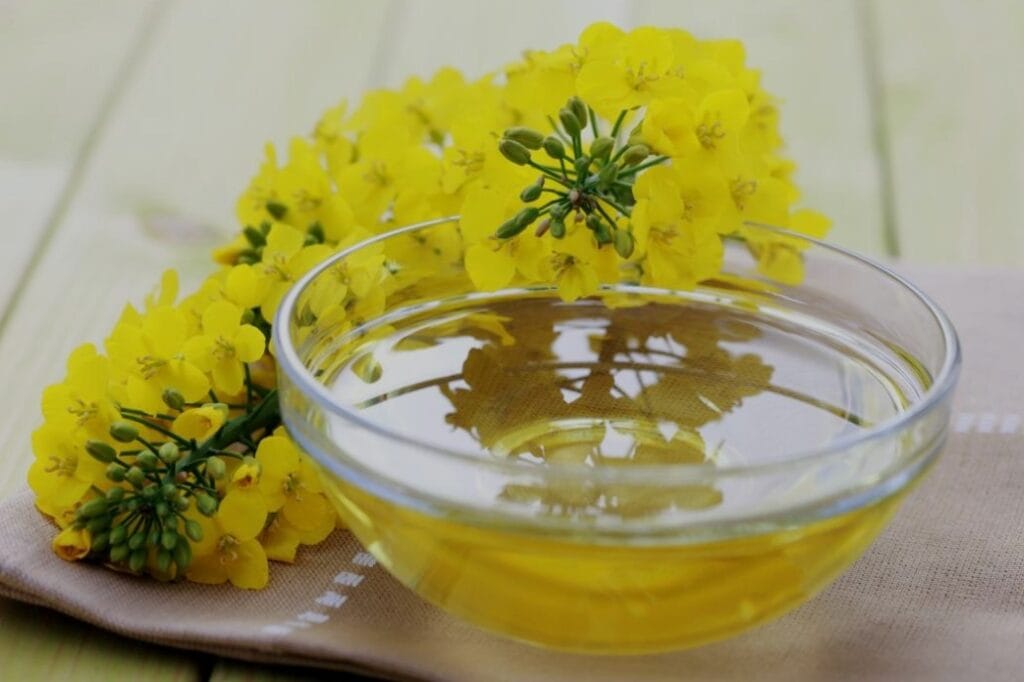
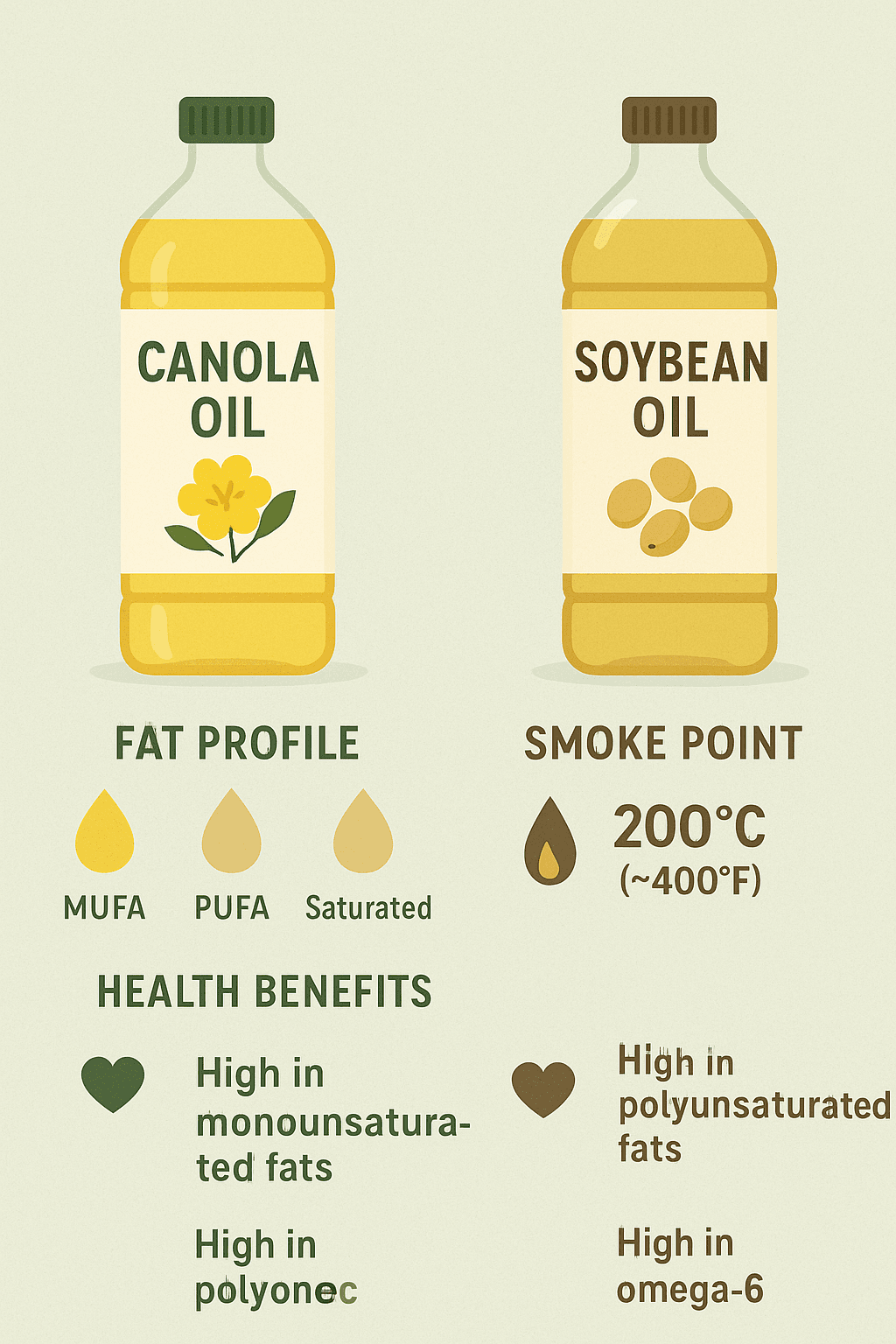
Overview: Canola oil is made from the seeds of the canola plant. It is known for its light flavor, affordability, and good balance of fats.
Health Benefits: Healthiest cooking oil
Low in saturated fats, approximately < 5.0%.
Contains both omega-3 and omega-6 fatty acids.
Neutral flavor makes it versatile.
Supports cholesterol balance when used in moderation.
Best Use:
Frying, baking, stir-frying
High smoke point (~400°F / 204°C) makes it suitable for most cooking methods
Verdict:
A good all-purpose oil with a heart-healthy fat profile.
3. Sunflower Oil (High Oleic):
Overview: Sunflower oil is extracted from sunflower seeds. The high-oleic version is more stable and has a better nutritional profile than regular sunflower oil.
Health Benefits:
High in vitamin E, an antioxidant that supports skin and cell health
High oleic sunflower oil contains monounsaturated fats
Good oxidative stability (resists breakdown during cooking)
Best Use:
Deep frying, roasting, and general cooking purposes.
Very high smoke point (~440°F / 227°C).
Verdict:
Ideal for high-heat cooking, especially frying.

Comparison Table:
| Feature | Olive Oil (EVOO) | Canola Oil | Sunflower Oil (High Oleic) |
| Fat Type | Mostly Monounsaturated | Balanced mono & poly | Mostly monounsaturated |
| Smoke Point | ~376°F (191°C) | ~405°F (209°C) | ~440°F (227°C) |
| Best For | Raw use, light sautéing | General cooking, baking | Deep frying, roasting |
| Health Focus | Heart health, antioxidants | Omega-3 & 6 balances | Vitamin E, heat stability |
Conclusion:
All three oils, Olive, Canola, and Sunflower (High Oleic), are healthy when used correctly.
If your focus is on heart health and antioxidant intake, olive oil is an excellent choice.
For everyday versatile cooking, canola oil is a practical and healthy choice.
For deep-frying or high-heat applications, high-oleic sunflower oil is the best option.

Comments are closed.