


Coconut Oil Alternatives for Healthier Baking.
Picture savoring a slice of your favorite cake that’s not only fluffy and delicious but also enriched with healthier fats. Coconut oil alternatives for healthier living are a key challenge for everyone.
Baking with coconut oil has become a popular choice for many health-conscious bakers. However, not everyone can or wants to use it.
Whether due to allergies, dietary preferences, or simply a desire for variety, finding a coconut oil replacement is essential.
Imagine using mashed bananas in your brownies, adding a moist, sweet twist that completely transforms the dish.
This is just one of many alternatives to coconut oil that can enhance your baking. These substitutes not only offer health benefits but also bring unique flavors and textures to your recipes.
From heart-healthy olive oil to creamy Greek yogurt, the options are diverse. Each alternative has its own set of advantages, making it easier to tailor your baking to your needs.
Understanding what to use instead of coconut oil can transform your baking experience. It opens a world of possibilities for creating delicious, healthier treats.
In this guide, we’ll explore the best coconut oil alternatives for healthier baking. Discover how these substitutes can elevate your baking while meeting your dietary goals.
Why Consider a Coconut Oil Replacement in Baking? Coconut Oil Alternatives for Healthier,
Choosing a coconut oil replacement can benefit your health and expand your baking repertoire. While coconut oil is rich in saturated fats, many alternatives offer healthier fat profiles.
This can be advantageous for anyone seeking to reduce saturated fat intake. According to a study published in the American Journal of Clinical Nutrition, replacing saturated fats with unsaturated fats can lower the risk of heart disease. Therefore, opting for these alternatives may contribute positively to your overall health goals.
Substituting coconut oil can also meet dietary needs, accommodating vegan, dairy-free, or allergy considerations. This makes baking inclusive and accessible for everyone.
Moreover, experimenting with different substitutes can lead to exciting new flavors and textures. Each alternative brings its own unique qualities that can transform traditional recipes.
Here are some reasons to consider alternatives:
- Healthier fat content
- Suitability for dietary restrictions
- Unique flavors and textures
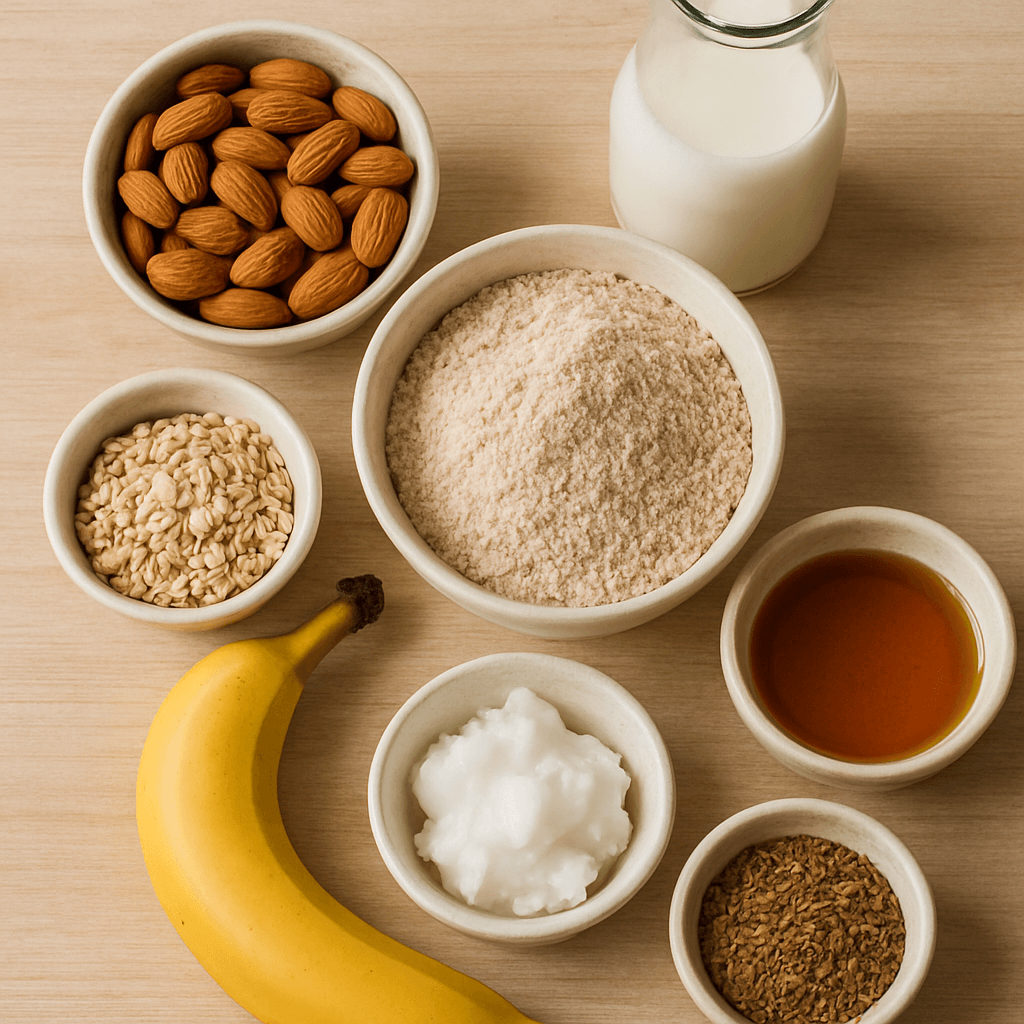
Coconut Oil Alternatives for Healthier
Choosing the proper substitute can enhance your baking experience, making it both enjoyable and nutritious.
Key Factors When Choosing Coconut Oil Alternatives for Healthier.
When selecting a coconut oil substitute, consider each alternative’s flavor profile. Some oils have intense flavors that might overshadow your recipe, while others have mild or neutral tastes.
For example, the rich earthiness of an oil like walnut can add depth to your baking, whereas the more subtle sunflower oil blends seamlessly without altering the intended flavor.
By understanding these distinctions, you can make well-informed decisions that enhance your culinary creations.
The oil’s smoke point is crucial for baking at high temperatures. A higher smoke point can prevent burnt flavors and preserve nutrients in the oil.
Nutritional benefits should also guide your choice. Each substitute offers different health benefits that can complement your dietary goals.
Here are some factors to consider:
- Flavor profile
- Smoke point
- Nutritional benefits
By weighing these factors, you can select an alternative that enhances your baking while aligning with your health objectives.
Top Healthy Substitutes or Coconut Oil Alternatives for Healthier Baking:
Choosing the right coconut oil alternative can transform your baked goods. Numerous options provide health benefits while maintaining a delightful texture and flavor.
Each substitute brings unique qualities that cater to various dietary needs and preferences. Let’s explore some fantastic options!
1. Olive Oil
Olive oil is a widely loved substitute for coconut oil. Its heart-healthy fats make it a great choice. The mild, buttery flavor with subtle grassy notes blends well with both sweet and savory dishes.
Moreover, olive oil contains antioxidants, which can boost health. Remember, it works best in recipes that call for liquid oil.
Key benefits include:
- Heart-healthy monounsaturated fats
- Antioxidant properties
- Suitable for various recipes

2. Avocado Oil
Avocado oil has a high smoke point of approximately 520 °F, making it perfect for baking. Rich in nutrients, it offers monounsaturated fats that support heart health.
Its neutral taste makes avocado oil versatile in many dishes. This oil can seamlessly replace coconut oil, providing similar results.
Consider these advantages:
- High smoke point
- Heart-healthy fats
- Neutral flavor
3. Applesauce
Applesauce provides a unique way to reduce fat while adding moisture. It works perfectly as a coconut oil substitute in many baked goods.
Using applesauce reduces calories and adds natural sweetness. It’s particularly suitable for cakes and muffins. A common approach is to replace half the amount of oil called for in a recipe with an equal volume of applesauce.
This substitution allows for a noticeable reduction in fat content while maintaining the desired texture and moisture. Key benefits include:
Low in calories
Adds moisture and sweetness
Ideal for sweet recipes
Key benefits include:
- Low in calories
- Adds moisture and sweetness
- Ideal for sweet recipes
4. Greek Yogurt
Greek yogurt provides a creamy texture, making it an excellent replacement for coconut oil.
It adds protein and improves the nutritional value of baked goods. Its tangy flavor can enhance muffins and breads. However, consider both its consistency and water content when adjusting recipes.
To prevent soggy results, slightly reduce the amount of other liquids in the recipe. Advantages include:
- High protein content adds a creamy texture.
- Provides a unique, tangy flavor
Butter or ghee offers a rich flavor profile while mimicking coconut oil’s fatty acid profile. It’s perfect for recipes requiring solid fats. These dairy products add depth to baked goods.
They might need to be melted before use, depending on the recipe. For lactose-sensitive bakers, lactose-free ghee provides a welcoming option, retaining the traditional taste while being easier to digest for those with lactose intolerance.
These dairy products add depth to baked goods. They might need to be melted before use, depending on the recipe.
Key benefits:
- Rich flavor
- Similar fat content
- Suitable for solid fat recipes
6. Sunflower Oil
Sunflower oil is a neutral choice with a high smoke point. Its mild taste makes it versatile for baking. Rich in vitamin E, it supports skin and immune health.
One tablespoon of sunflower oil supplies roughly 28% of the recommended daily allowance (RDA) of vitamin E, providing a tangible health benefit. Use it for its subtle presence in recipes.
Consider these benefits:
- High smoke point
- Neutral flavor
- Rich in vitamin E
7. Canola Oil
Canola oil is a budget-friendly, versatile alternative for baking. It has a light, neutral taste and good baking properties.
Known for its affordability, it’s perfect for large batch baking. Canola oil works well in most recipes without altering flavors.
Benefits include:
- Affordability
- Light flavor
- Versatile for various recipes
8. Almond Oil
Almond oil adds a subtle nutty flavor to baked goods. Rich in vitamin E, it’s a healthy addition to your recipe.
This oil works well in both sweet and savory dishes, enhancing aroma and taste. It’s perfect for those seeking healthier options.
Key advantages:
- Nutty flavor
- Vitamin E-rich
- Enhances aroma
9. Grapeseed Oil
Grapeseed oil offers versatility due to its mild taste and high smoke point. It’s a byproduct of winemaking that promotes sustainability.
Ideal for different baking styles, it doesn’t overpower flavors, making it a great substitute. It’s also light, reducing heaviness.
Consider these benefits:
- Sustainable production
- Mild taste
- Versatile in recipes
10. Flaxseed Oil
Flaxseed oil, rich in omega-3s, is excellent for small applications. Due to its low smoke point, it’s used for flavor rather than cooking.
To avoid off-flavors and preserve nutrients, it’s advisable to drizzle no more than 1 tablespoon per loaf when using flaxseed oil in recipes. This measured usage ensures the health benefits are retained without compromising taste.
Advantages include:
- Omega-3 rich
- Light use for added flavor
- Health benefits
11. Pumpkin Puree
Pumpkin puree offers an innovative substitution for oil. It adds moisture and a hint of flavor, making it ideal for baked goods like muffins and breads.
Rich in fiber and vitamins, it’s a nutritious choice. Pumpkin puree not only replaces oil but also enhances nutritional content.
Benefits include:
- Nutrient-rich
- Adds moisture and flavor
- Ideal for sweet goods
12. Mashed Bananas
Mashed bananas provide natural sweetness and moisture, effectively substituting for oils. They work well in baked goods such as cakes and breads.
This substitute can also reduce the need for additional sugars, making it a healthier choice. Bananas add a unique dimension to your recipes.
Key advantages:
- Natural sweetness
- Adds moisture
- Reduces sugar need
How to Substitute: Tips for Success in Baking
Successfully substituting coconut oil requires understanding each alternative’s properties. Consider how these swaps affect moisture, texture, and flavor in your recipes.
Start by experimenting with smaller batches to gauge results. Adjust the substitution ratios based on your recipe’s needs and desired outcome.
Here are some helpful tips:
- Remember to adjust baking temperatures based on the oil used.
- Taste and texture might vary; tweak ingredients accordingly.
- Keep an eye on consistency as you modify recipes.
Comparing Nutrition: Coconut Oil vs. Its Alternatives
When choosing between coconut oil and alternatives, their nutritional profiles are crucial to consider. Each option offers unique health benefits, but they vary in fat content and nutrient density.
Coconut oil is high in saturated fats. In contrast, many substitutes, e.g., coconut oil, are healthier alternatives to saturated fats and are beneficial for heart health. Some options also provide additional nutrients, such as vitamins and omega-3 fatty acids.
Here’s a brief comparison:
- Coconut oil: High in saturated fat.
- Olive oil: Rich in monounsaturated fats and antioxidants.
- Avocado oil: Contains vitamin E and monounsaturated fats.
Frequently Asked Questions About Coconut Oil Substitutes
Choosing the proper substitute can be confusing. Many wonder if olive oil is a suitable replacement for coconut oil in baking. The answer depends on taste preference and recipe needs.
What about dietary restrictions? Some might ask: Can a vegan use butter instead of coconut oil?
Luckily, there are plant-based options like applesauce or mashed bananas.
Here are common questions:
- Can I mix substitutes to improve the flavor?
- How do smoke points affect baking?
- Are certain substitutes better for specific recipes?
Understanding these can make substitutions simpler and more effective. Experimentation can also lead to delicious discoveries.
Final Thoughts: Choosing the best coconut oil alternatives for a healthier life.
Choosing the proper coconut oil substitute depends on many factors, such as dietary needs, flavors, and baking goals. Consider substitutes like olive oil for a mild taste, or avocado oil for its rich nutrient profile.
Experimentation is crucial for finding the perfect fit. Each substitute can transform a recipe in its own unique way.
Whether you’re aiming for health benefits or flavor enhancements, there’s an ideal choice for your baking adventures.


Leave a Comment