


Introduction: Best cooking oil for health,
Choosing the right or best cooking oil for health has always been a significant concern in human diets.
For centuries, people have relied on fats not only as a source of energy but also as a carrier of flavour and essential nutrients.
Today, the debate continues: are vegetable oils healthier than animal-based fats?
With rising awareness about heart disease, obesity, and lifestyle disorders, this comparison is more relevant than ever.
This article explores the history, chemistry, physical differences, nutritional values, health effects, and daily use of the best cooking oils and animal fats.
It aims to give a complete understanding to help individuals and food professionals make informed decisions.
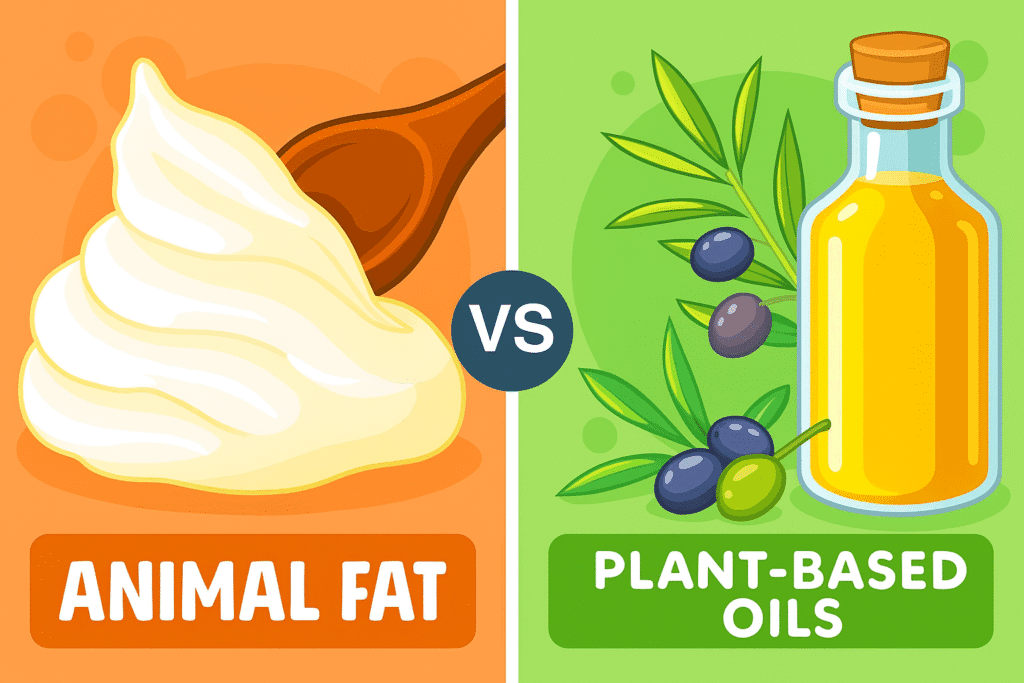
Historical Background of Oils and Fats, which is considered the Best cooking oil for health,
Ancient Applications:
Human beings have always used fats, both from plants and animals, for survival. In ancient times, people rendered animal fat for cooking, lighting lamps, and preserving food.
Lard from pigs, tallow from cows, and butter from milk were central to many traditional diets.
On the other hand, civilisations around the Mediterranean, India, and East Asia leaned heavily on plant-based oils, especially olive oil, sesame oil, and coconut oil.
Olive oil, for example, was considered “liquid gold” by the Greeks and Romans, used not only in food but also in medicine and religious rituals.
Old Technology of Extraction:
- Animal fats were usually obtained by direct heating or rendering. For example, lard was made by slowly heating pig fat, while butter was churned from cream.
- Vegetable oils are produced by pressing seeds, nuts, or fruits. Early methods included stone pressing and wooden mills. Later, metal presses and solvent extraction improved yield and efficiency.
Over centuries, technological advances refined these processes, creating more stable oils and reducing impurities.
Chemistry of Vegetable Oils and Animal Fats:
The primary chemical distinction lies in the types of fatty acids they contain.
Vegetable Oils:
Primarily composed of unsaturated fatty acids (monounsaturated and polyunsaturated).
These include omega-3 and omega-6 fatty acids, which are considered essential for health.
Animal Fats:
Rich in saturated fatty acids and cholesterol. These fats are more solid at room temperature and were once considered harmful, though new research suggests moderation is key.
Chemical Differences at a Glance:
- Saturated fatty acids (SFAs): Mostly in animal fats (e.g., palmitic, stearic).
- Unsaturated fatty acids (MUFAs & PUFAs): Predominantly in vegetable oils (e.g., oleic, linoleic, linolenic).
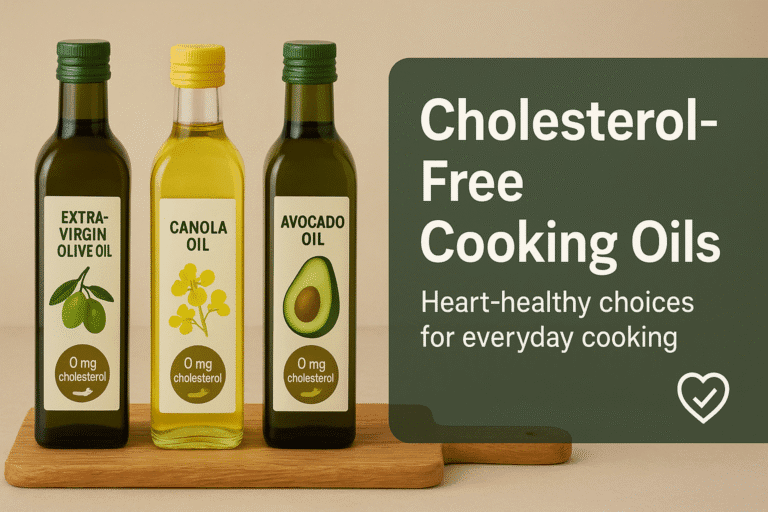
- Cholesterol: Found only in animal fats. Vegetable oils are naturally cholesterol-free.
Physical Differences Between Oils and Fats:
Their chemical composition influences the physical state of fats:
- Animal fats: Generally solid at room temperature due to higher saturated fat content (butter, ghee, lard).
- Vegetable oils: Usually liquid at room temperature because of unsaturated fats (olive oil, sunflower oil, soybean oil).
The physical properties of vegetable oils make them easier to use in salad dressings, frying, and baking.
Meanwhile, animal fats provide flakiness and richness to pastries and traditional dishes.
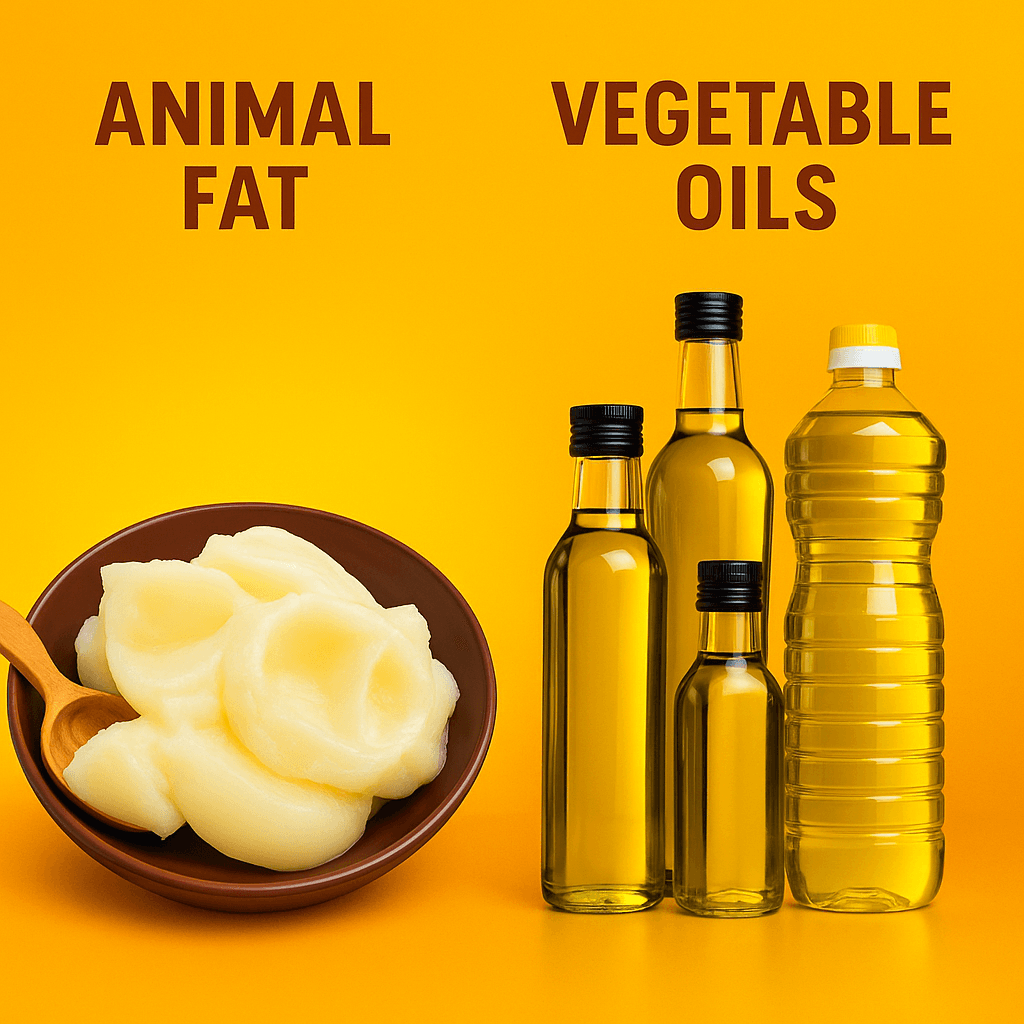
Nutritional Value: Vegetable Oils vs Animal Fats:
| Component | Vegetable Oils (Olive, Sunflower, etc.) | Animal Fats (Butter, Lard, Tallow) |
| Calories | ~884 kcal | ~897 kcal |
| Saturated Fat | 10-20g | 40-60g |
| Monounsaturated Fat | 60-75g | 20-40g |
| Polyunsaturated Fat | 10-20g | 2-5g |
| Cholesterol | 0mg | 200-250mg |
| Omega-3 Fatty Acids | 0.5-2g | 0.1-0.5g |
| Vitamins (E, K) | Rich | Moderate (A, D in butter, ghee) |
This table highlights why vegetable oils are often promoted as healthier for heart health, while animal fats provide fat-soluble vitamins but are high in cholesterol.
Health Effects of Vegetable Oils and Animal Fats:
Impact of Vegetable Oils:
- Heart Health: High in unsaturated fats, they lower LDL (bad cholesterol) and raise HDL (good cholesterol).
- Inflammation: Omega-3-rich oils (such as flaxseed and canola) help reduce inflammation.
- Antioxidants: Olive oil contains polyphenols that protect against oxidative stress.
Impact of Animal Fats:
- Energy and Vitamins: Butter and ghee provide vitamins A, D, E, and K.
- Flavour and Satiety: Animal fats enhance taste and keep you fuller for longer.
- Risks: Excess intake increases LDL cholesterol, raising the risk of heart disease and obesity.
Usage in Daily Kitchen Practices:
The choice of fat often depends on cooking style and cultural habits.
Vegetable Oils in the Kitchen:
- Perfect for frying due to higher smoke points (e.g., sunflower, soybean).
- Ideal for salads and light cooking (olive oil, canola oil).
- Suitable for health-conscious diets because they are cholesterol-free.
Animal Fats in the Kitchen:
- Add rich flavour and texture to baking, pastries, and traditional dishes (butter, lard, ghee).
- Excellent for sautéing when a strong flavour is desired.
- Provide creamy consistency in sauces and gravies.
Comparison: Best cooking oil for health,
For the best cooking oil for health, Vegetable oils are better suited for everyday use, especially in heart-healthy diets.
However, animal fats, when consumed in moderation, can enhance the flavour and nutrition of memorable meals.
A balanced kitchen often uses both, but with a stronger emphasis on vegetable oils for health reasons.
Conclusion:
The debate between vegetable oils and animal fats is not about elimination but about balance.
Vegetable oils excel in terms of health benefits due to their unsaturated fatty acids and cholesterol-free nature.
Animal fats, though richer in flavour and fat-soluble vitamins, should be used sparingly to avoid long-term health risks.
For everyday cooking, vegetable oils remain the best choice for overall health, while animal fats may be enjoyed occasionally for their taste and culinary value.
A modern, balanced diet benefits from using both sources wisely; choosing the right oil for the right purpose ensures both good health and delicious meals.
Disclaimer: The content on this website is for general informational and educational purposes only. It is not intended to provide medical advice, diagnosis, or treatment. Always consult a qualified healthcare professional, doctor, or dietitian before making any changes to your diet, exercise routine, or lifestyle. Reliance on any information provided on this site is solely at your own risk.

Comments are closed.