


Best Oils for Deep Frying:
Best Oils For Deep frying are a popular cooking method used in homes and restaurants around the world.
But choosing the right oil is crucial not just for achieving crispy, delicious food, but also for ensuring safety, taste, and health.
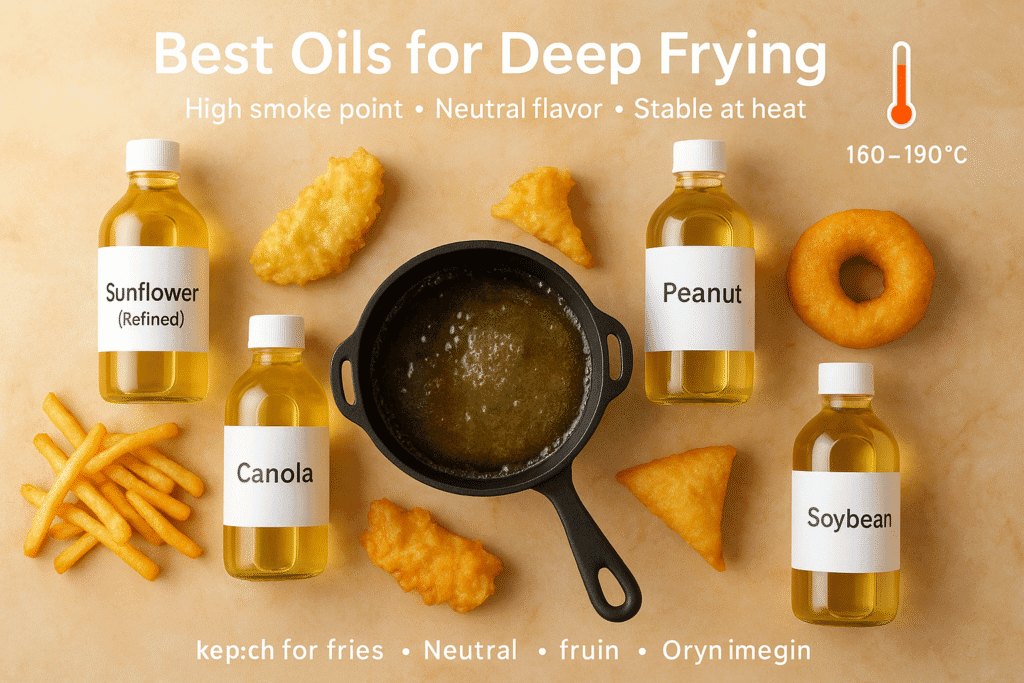
The best oils for deep frying should have a high smoke point, neutral flavor, and good stability at high temperatures.
What is Deep Frying?
Definition and Core Process:
Deep frying is a fast, high-heat cooking method in which food is fully submerged in hot oil, usually between 160 °C and 190 °C.
Unlike shallow frying, the food never comes into direct contact with the pan. Instead, the oil surrounds every side and cooks it evenly.
As soon as the food enters the oil, the moisture inside begins to turn into steam. Because of that reaction, the outer layer becomes crisp while the inside stays soft.
Although the technique seems simple, temperature consistency and oil selection are essential.
Therefore, people who want a perfect texture usually focus on stability and flavor when choosing the best oils for deep frying.
Role of Oil and Food Quality:
Oil does more than cook food; it determines taste, aroma, and safety. Since different oils have different smoke points, not every option performs well under high heat.
For example, olive oil has a lower smoke point and may degrade quickly, while rice bran, peanut, and canola oils can withstand higher temperatures.
Consequently, chefs and home cooks both prefer the best oils for deep frying to maintain crispness without burning or breaking down the fat.
Moreover, oil that has already been reused several times can develop off-flavors and harmful compounds. Because of that risk, regular monitoring and timely replacement are essential.
In addition, proper frying minimizes oil absorption and preserves the food’s nutritional value.
Ultimately, using the best oils for deep frying yields better taste, cleaner texture, and fewer harmful byproducts.
How Ancients Performed Deep Frying: Best Oils For Deep Frying,
Early Origins and Cooking Techniques:
Deep frying is not a modern invention. In fact, ancient civilizations used hot fat and oil long before modern stoves existed.
Although metal pots were not standard in every region, people in Mesopotamia, Egypt, and Greece heated animal fat in clay vessels and cooked food by completely submerging it.
Because resources were limited, they usually reserved this method for special foods. Moreover, they understood that complete immersion produced a crisp at the outer layer much faster than roasting.
Even though they did not measure temperature scientifically, they judged the heat by observing bubbles and aroma. Over time, the practice spread across trade routes, and different cultures began experimenting with seeds and nuts to extract oil.
Since stability and heat resistance mattered even then, they unknowingly relied on what we would now call the best oils for deep frying.
Cultural Influence and Oil Sources:
As civilization advanced, techniques became more refined. For instance, Romans fried dough in olive oil, while Indians and Persians used sesame or ghee for snacks and sweets.
Because transportation was limited, people used whatever fats were most available in their region. However, they also noticed that some oils spoiled faster or produced smoke.
Consequently, they adjusted cooking practices to preserve taste and avoid wastage.
Although ancient cooks lacked scientific terms like “Smoke point,” they still developed a preference for oils that remained stable at high heat. In modern terms, those traditional choices resemble the best oils for deep frying used today.
Furthermore, deep frying became important at festivals, military camps, and religious ceremonies, demonstrating how widespread and valued the method was even without modern tools.
Deep Frying Foods:
Popular Foods Cooked by Deep Frying:
Deep frying creates a distinct texture that people all over the world enjoy. From French fries and chicken wings to samosas, tempura, falafel, and doughnuts, the method delivers crispiness that other techniques cannot match.
Because hot oil surrounds the food, cooking takes less time and locks in moisture. Many street foods, snacks, and restaurant favorites rely on this approach.
However, the success of each dish depends heavily on maintaining the correct temperature and using he best oils for deep frying. When the oil is too cold, food absorbs more fat. When it is too hot, the exterior burns before the inside cooks properly.
Therefore, cooks pay close attention to heat control.
Oil Selection and Food Quality:
Although many recipes look simple, results vary when the wrong oil is used. For example, oils with low smoke points break down quickly, producing off-flavors. On the other hand, stable options like peanut, canola, sunflower, and rice bran keep their structure and maintain taste.
Consequently, they rank among the best oils for deep frying because they enhance flavor and support safety. In addition, the oil’s aroma can influence the final dish.
Neutral oils work well for fries and nuggets, while slightly aromatic options suit cultural dishes. `Even small practices like draining excess oil after frying can improve texture and reduce grease.
When you combine proper technique with the best oils for deep frying, you achieve crispiness, appealing color, and balanced taste without compromising quality.
Chemical Reactions in Deep Frying:
Maillard Reaction and Texture Formation:
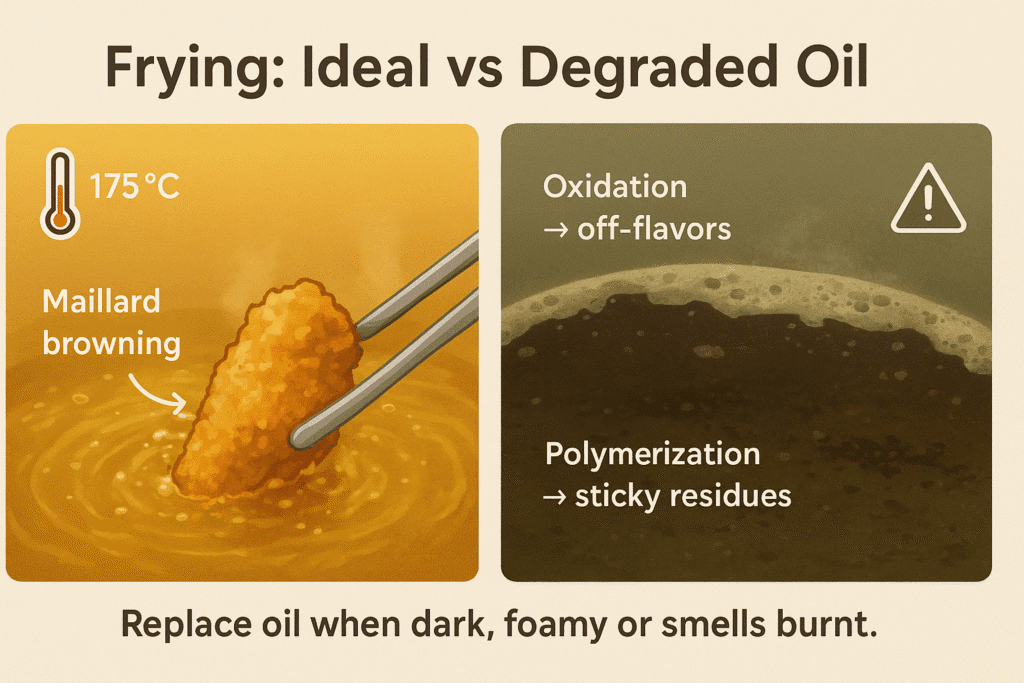
When food enters hot oil, the first significant reaction is the Maillard reaction. This chemical process occurs when amino acids and sugars in the food interact at high temperatures.
As a result, the surface turns golden brown and develops a crunchy texture. Because deep frying uses high heat, the reaction happens quickly and evenly—moreover, the steam inside the food escapes, preventing the oil from soaking in immediately.
However, if the oil temperature drops or the wrong oil is used, the food absorbs more fat and loses crispiness.
That is why cooks rely on the best oils for deep frying to ensure the ideal balance between texture and moisture.
Oxidation, Polymerization, and Oil Breakdown:
While food cooks, the oil undergoes chemical changes. Oxidation starts when oxygen interacts with the oil at high heat. Over time, this process creates unwanted compounds and off-flavors.
Additionally, polymerization can occur when oil molecules join together due to excessive heat, forming thicker, stickier residues. Because of these reactions, reused oil deteriorates faster and affects both taste and health.
Therefore, selecting the best oils for deep frying makes a big difference in slowing down breakdown. Oils with higher smoke points and stable fatty acid structures, like rice bran, peanut, and canola, resist oxidation and polymerization longer.
Furthermore, filtering debris between frying sessions helps reduce burnt particles and improve safety.
Ultimately, when you control temperature and use the best oil for deep frying, you reduce harmful byproducts and maintain consistent cooking performance.
Health Effects of Deep-Fried Foods:
Impact On Digestion and Nutrient Value:
Deep-fried foods deliver rich flavor and satisfying texture, but they also carry health considerations. When food stays in hot oil too long, or the oil is of poor quality, it absorbs more fat and becomes heavier in the stomach.
As a result, digestion slows, and bloating may occur. Moreover, valuable nutrients, such as vitamins, can degrade at high temperatures, especially if the oil has already degraded.
However, choosing the best oil for deep frying can reduce some of these issues.
Oils with higher smoke points and stable fatty acid structures allow food to cook faster while absorbing less fat. In addition, draining excess oil after frying further reduces unnecessary calorie intake.
Long-Term Effects and Safer Practices:
Regular consumption of low-quality deep-fried foods may contribute to cholesterol imbalance, weight gain, and inflammation. When oils are repeatedly heated, they form harmful compounds, such as aldehydes and polar compounds.
Consequently, the risk of oxidative stress and arterial problems increases.
Nevertheless, using the best oils for deep frying, such as peanut, rice bran, or canola, helps minimize oxidation and maintain cleaner frying conditions.
Frequent oil replacement, proper temperature control, and shorter frying times also make a meaningful difference. Furthermore, balancing fried foods with fresh vegetables, lean protein, and whole grains helps offset adverse effects.
Although deep frying will never be as light as steaming or grilling, responsible choices improve health outcomes.
Ultimately, when you rely on the best oils for deep frying and handle them correctly, you reduce fat absorption, reduce toxic byproducts, and enjoy flavor with fewer long-term consequences.
Top 5 Cooking Oils:
Here are the top 5 cooking oils recommended for deep frying, along with reasons why they’re the best choice:
1. Refined Sunflower Oil:
Why choose it:
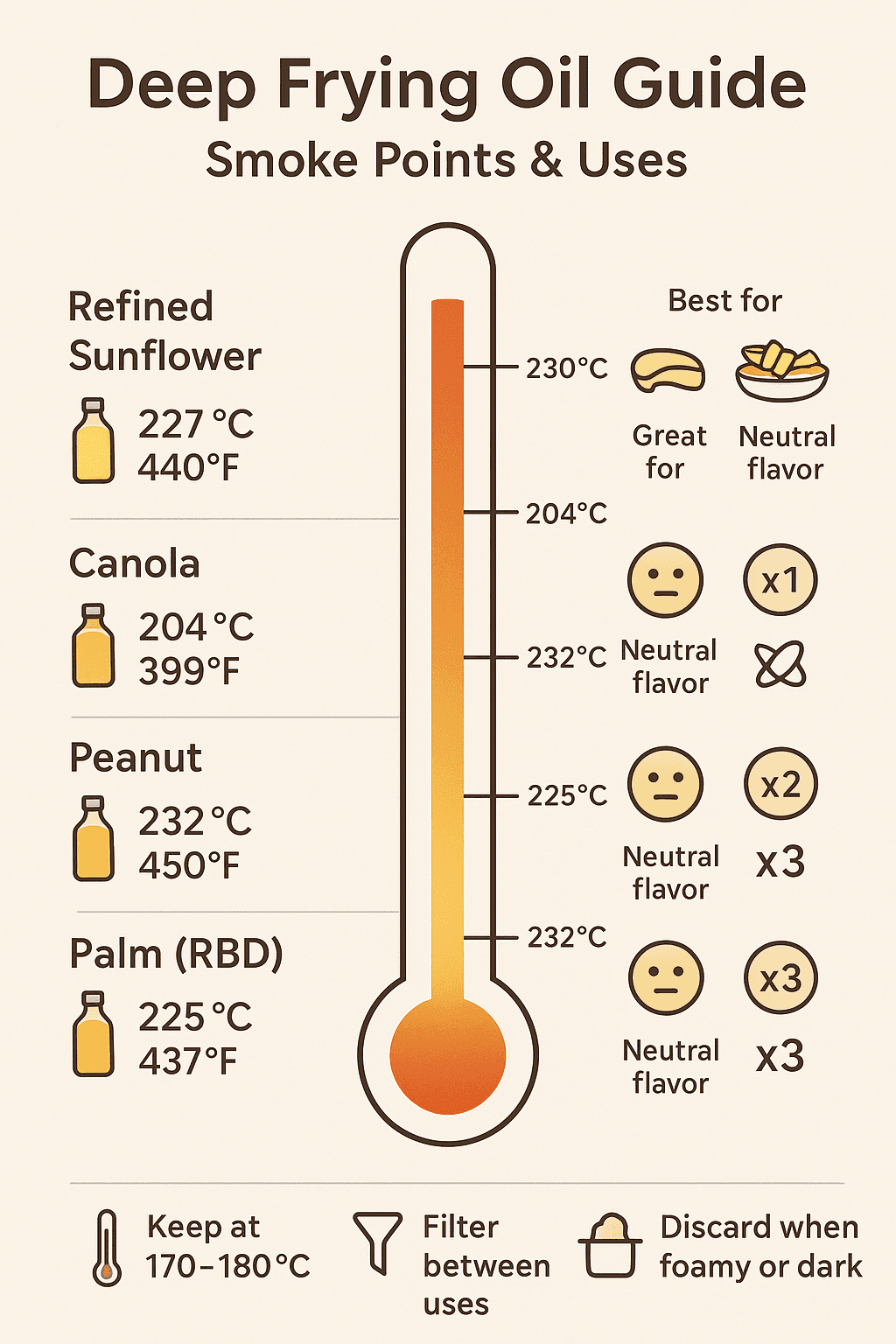
High Smoke Point: Around 440°F (227°C), suitable for deep frying.
Neutral Flavor: Doesn’t interfere with food’s taste.
High Stability: Especially high oleic sunflower oil has excellent oxidative stability.
Best for: Fries, chicken, snacks, and commercial frying.

2. Refined Canola Oil:
Why choose it:
Smoke Point: Approximately 400°F (204°C).
Light Texture: Ideal for achieving a crisp coating without being greasy.
Heart Healthy: Low in saturated fat and contains omega-3 fatty acids.
Best for: Fried fish, fritters, tempura, and more.
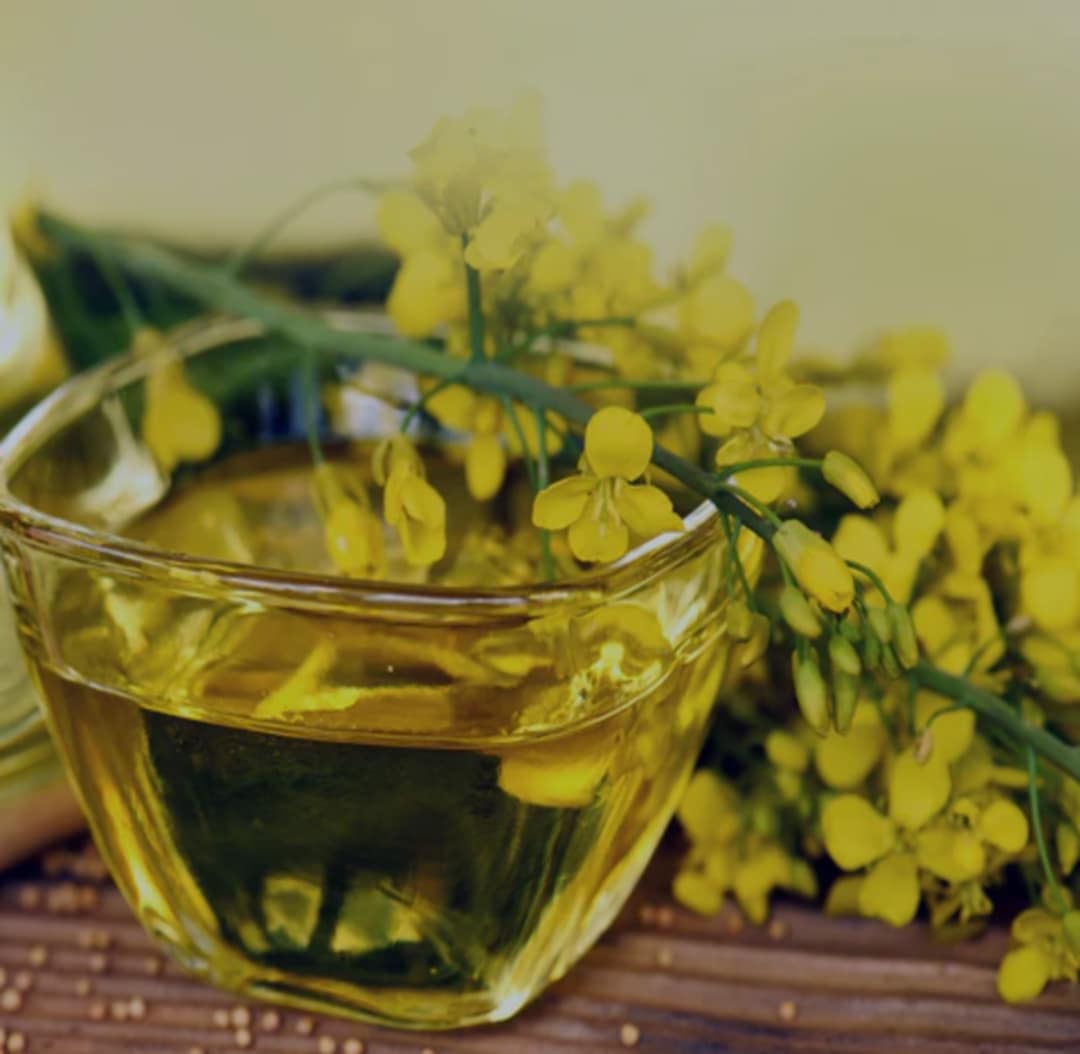
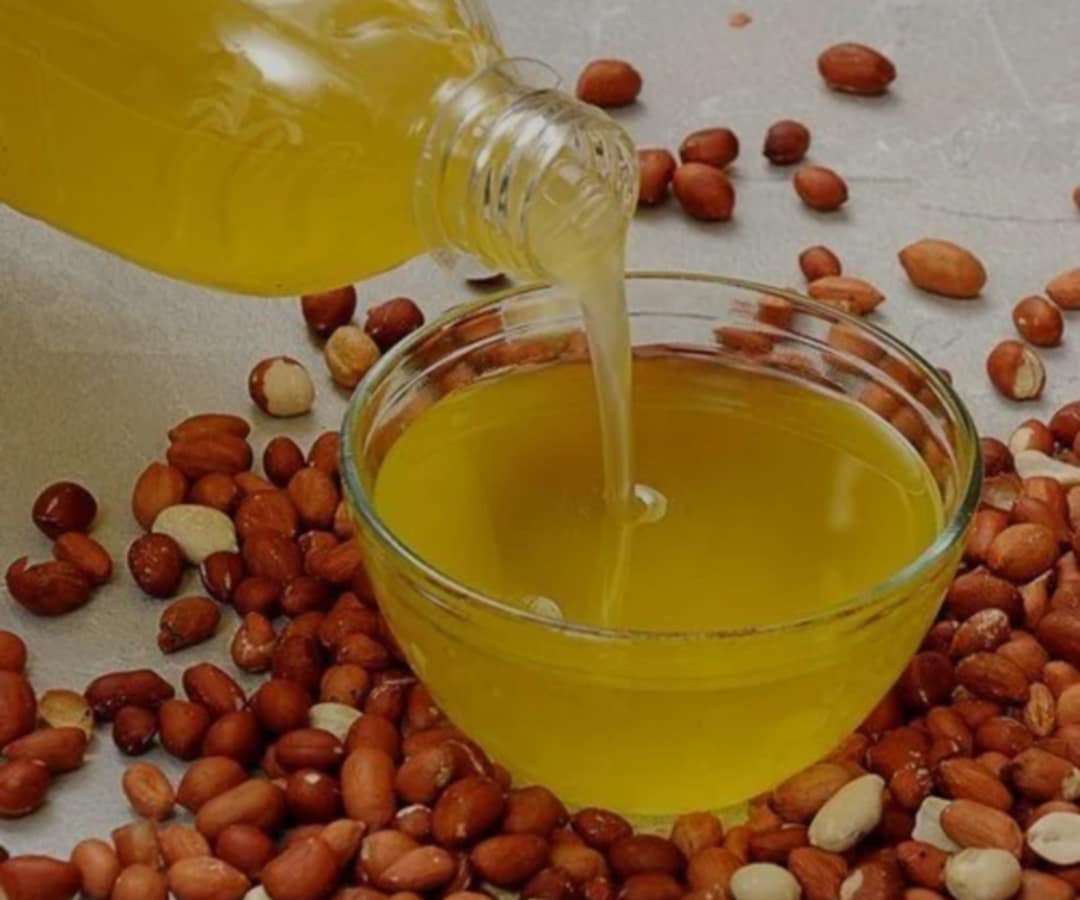
3. Refined Peanut (Groundnut) Oil:
Why choose it:
Very High Smoke Point: About 450°F (232°C).
Mild Nutty Flavor: Enhances taste without overpowering.
Reusability: Excellent stability allows for multiple uses in frying.
Best for: Asian stir-fries, deep-fried snacks, and festival foods.
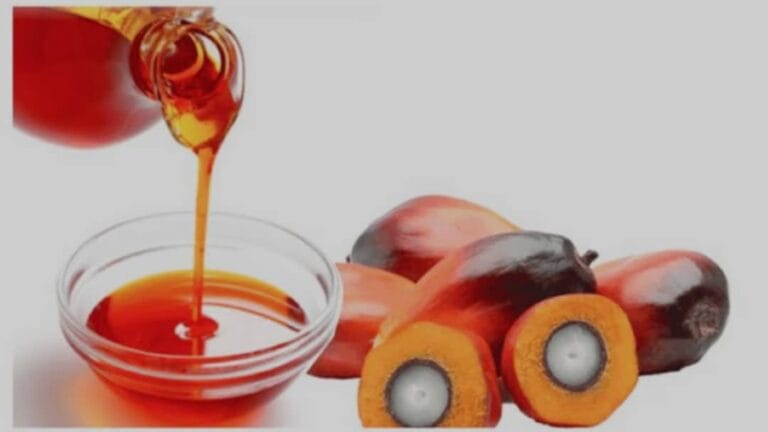
4. Refined Palm Oil:
Smoke Point: Around 450°F (232°C) for RBD (Refined, Bleached, Deodorized) palm oil.
Cost-effective: Widely used in commercial food production due to its affordability.
Stable at High Heat: Its semi-solid nature at room temperature helps resist oxidation.
Best for: Fast food, fried snacks, and industrial frying.

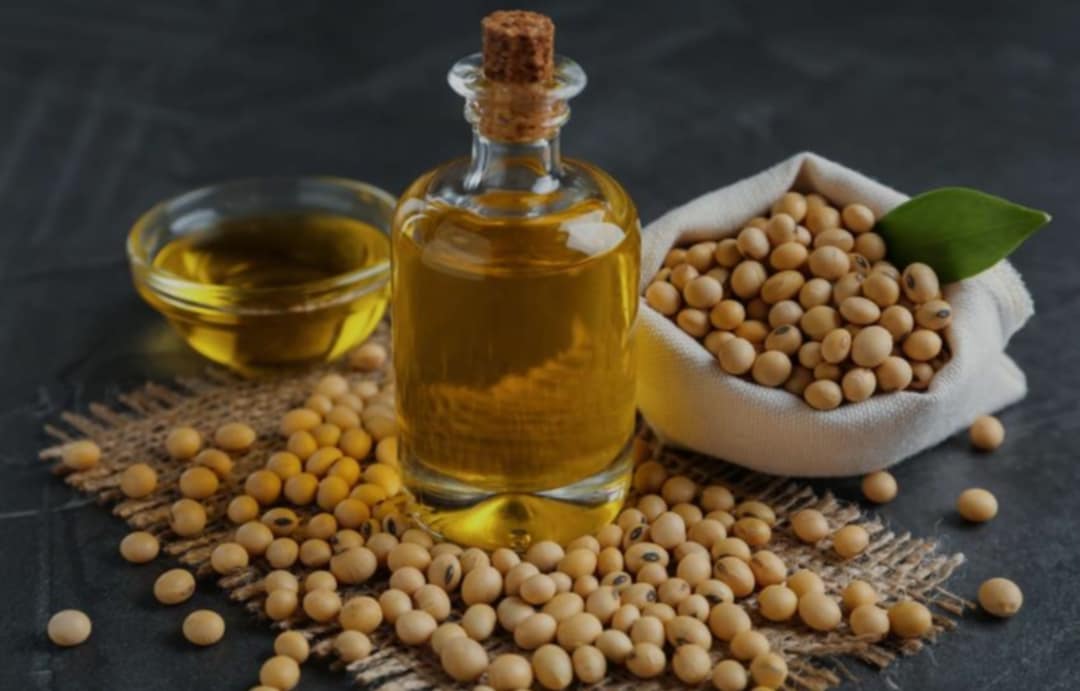
5. Refined Soybean Oil:
Why choose it:
Smoke Point: Around 450°F (232°C).
Widely Available and Affordable.
Good Flavor Absorption: Ideal for crispy, golden deep-fried foods.
Best for: Donuts, pakoras, nuggets, and commercial snacks.
Conclusion:
When it comes to deep frying, using the right oil can make all the difference.
High smoke point, stable fatty acid profile, and neutral or mild flavor are the keys to choosing the perfect oil.
Whether you’re frying at home or in a professional kitchen, the oils listed above are reliable, safe, and give excellent results.

Comments are closed.