


History of Cholesterol-Free Cooking Oils:
Cholesterol-free Cooking oils have played a key role in human diets for centuries, with early civilizations using animal fats and plant oils for flavor, preservation, and energy. At the same time, animal fats like butter, lard, and tallow were dominant in the past.
The understanding of cholesterol-free cooking oils and their health effects has reshaped the way we view cooking oils today.
Medical Research:
The concept of cholesterol-free cooking oils as a substance in the human body was discovered in the 19th century.
By the mid-20th century, medical research began to highlight the link between high intake of saturated fats (often found in animal-based oils) and heart disease.
This research led to growing awareness about the risk of high cholesterol and its role in cardiovascular disease.
As a result, the demand for healthier, cholesterol-free cooking oils started to rise.
Heart Healthy Benefits:
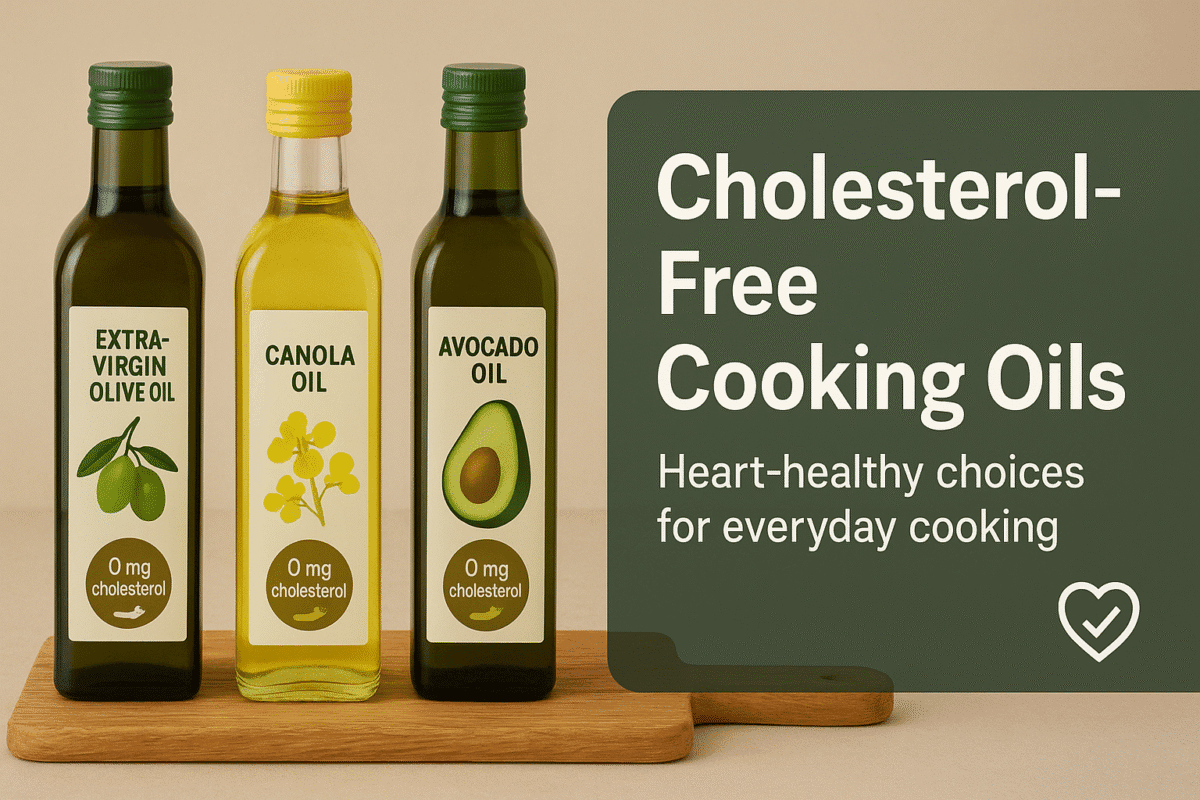
Today, cholesterol-free plant-based oils, such as olive oil, canola oil, and avocado oil, are widely promoted for their heart-healthy benefits.
They not only lack cholesterol but also contain beneficial monounsaturated and polyunsaturated fats, which are linked to improved cholesterol levels and reduced cardiovascular risk.
Introduction to Cholesterol-Free Cooking Oils:
Cholesterol is a fatty substance found in animal-based foods like meat, eggs, and dairy. Since the liver produces cholesterol, plant-based oils naturally do not contain cholesterol.
This makes them a preferred choice for people looking to reduce cholesterol intake and improve overall heart health.
Oils Heart Healthy Alternatives:
Cooking oils, such as olive oil, canola oil, and avocado oil, are not only cholesterol-free but are also rich in unsaturated fats, which have been shown to help lower harmful LDL (low-density lipoprotein) cholesterol levels.
These oils are heart-healthy alternatives to animal fats, which can raise cholesterol levels and increase the risk of heart disease.
In this post, we’ll explore the chemistry of cholesterol, identify foods that contain cholesterol, and discuss the three best cholesterol-free cooking oils along with their health benefits.
The Chemistry of Cholesterol:
Structure Of Cholesterol:
Cholesterol is a waxy, fat-like substance that is essential for several bodily functions.
The liver produces it, and it is also found in animal-based foods.
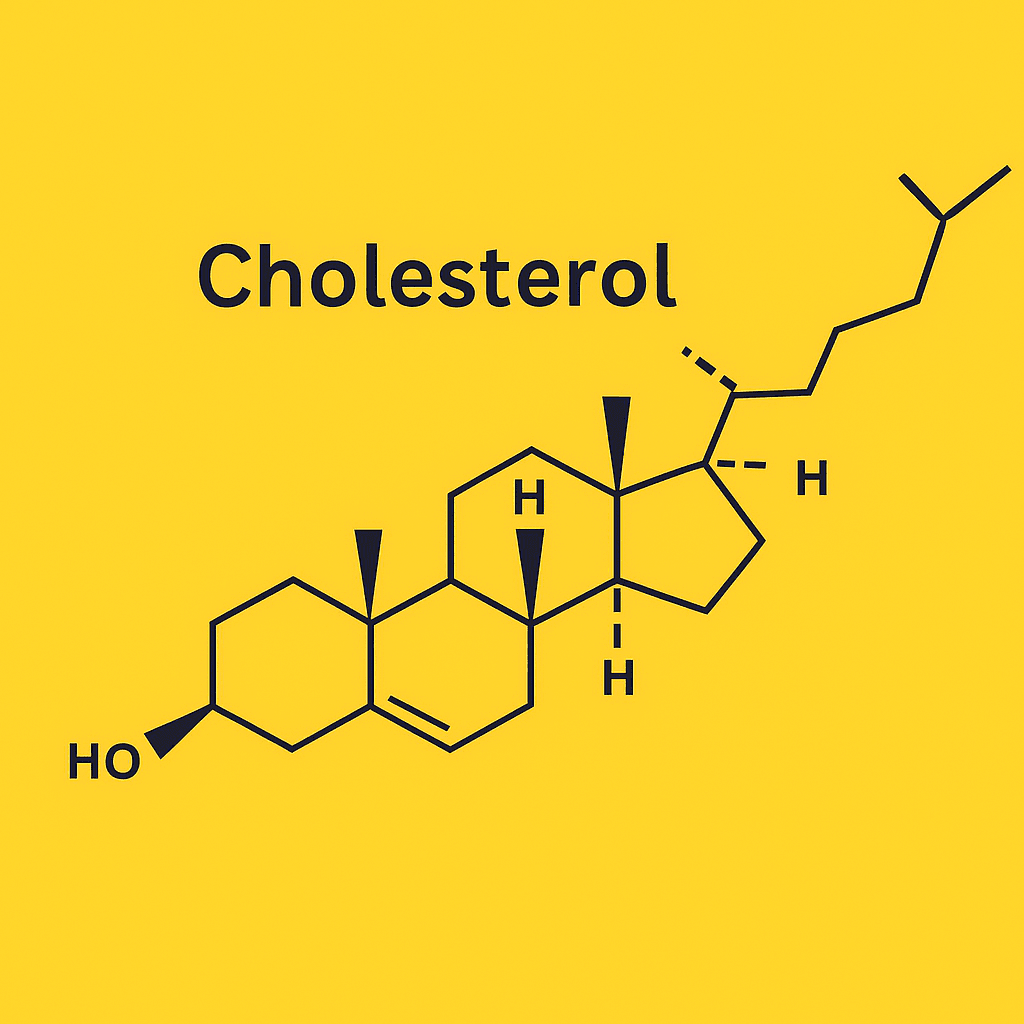
Cholesterol is a type of lipid and is made up of four hydrocarbon rings, a hydrocarbon chain, and a hydroxyl group.
While it is crucial for building cell membranes, producing hormones, and forming bile acids for digestion, excess cholesterol can be harmful, mainly when it accumulates in blood vessels, leading to atherosclerosis (clogged arteries).
Health Effects:
Cholesterol is carried in the bloodstream by two types of lipoproteins: low-density lipoprotein (LDL) and high-density lipoprotein (HDL).
LDL is often called “bad” cholesterol because it can build up in the arteries, increasing the risk of heart disease. On the other hand, HDL is known as “good” cholesterol because it helps remove excess cholesterol from the bloodstream.
Dietary cholesterol, found in animal products such as eggs, meat, and full-fat dairy, can raise LDL cholesterol levels.
Therefore, reducing dietary cholesterol intake by choosing plant-based oils can help maintain a healthier cholesterol balance.
Sources of Cholesterol-Containing Foods:
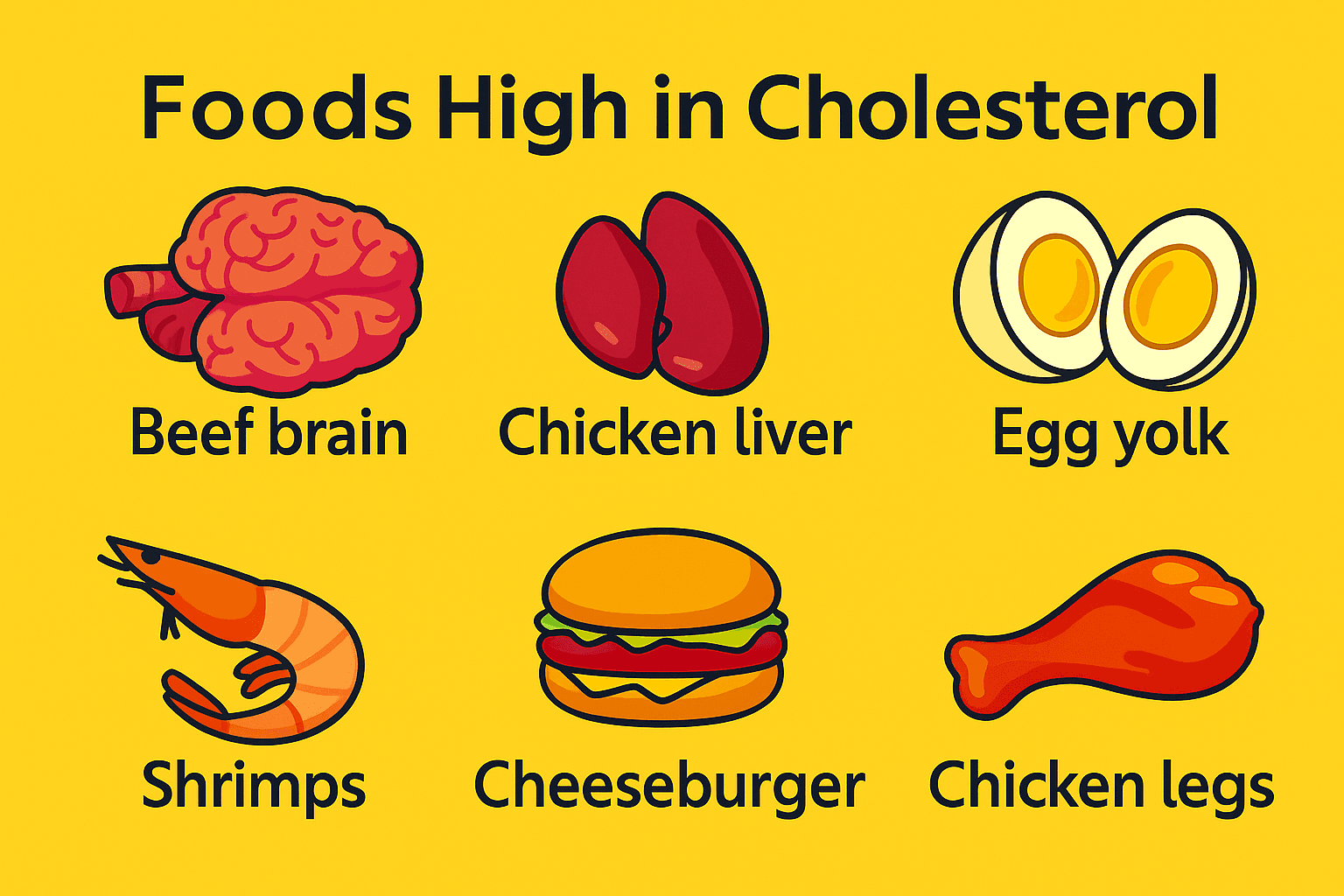
Cholesterol is found exclusively in animal products. Some common foods high in cholesterol include:
- Egg Yolks
Egg yolks are one of the most concentrated sources of cholesterol. A single large egg yolk contains about 185-200mg of cholesterol.
- Red Meat
Fatty cuts of beef, lamb, and pork are high in both cholesterol and saturated fats. These fats contribute to raising LDL cholesterol levels.
- Full-Fat Dairy Products
Butter, cream, whole milk, and cheese are rich in both cholesterol and saturated fat. These foods should be consumed in moderation, especially for individuals looking to manage cholesterol levels.
- Shellfish
Shellfish, including shrimps, lobster, and crab, are known for their high cholesterol content. While they are low in saturated fats, they still contain significant amounts of cholesterol.
- Organ Meats
Liver, kidneys, and other organ meats are very high in cholesterol. For example, 100 grams of cooked beef liver contains around 300-400 mg of cholesterol.
To reduce cholesterol intake, it’s advisable to limit or avoid foods high in saturated fat, particularly those foods. Plant-based oils, on the other hand, provide a cholesterol-free alternative that supports heart health.
Three Best Cholesterol-Free Cooking Oils:
When choosing a cholesterol-free cooking oil, consider its fatty acid profile, health benefits, and cooking suitability.
Here are three of the best cholesterol-free oils for cooking:
1. Extra Virgin Olive Oil:
Extra Virgin olive oil (EVOO) is derived from the first cold pressing of olives and is packed with heart-healthy monounsaturated fats, particularly oleic acid.
This oil is also rich in antioxidants, which help reduce inflammation and protect against oxidative stress.
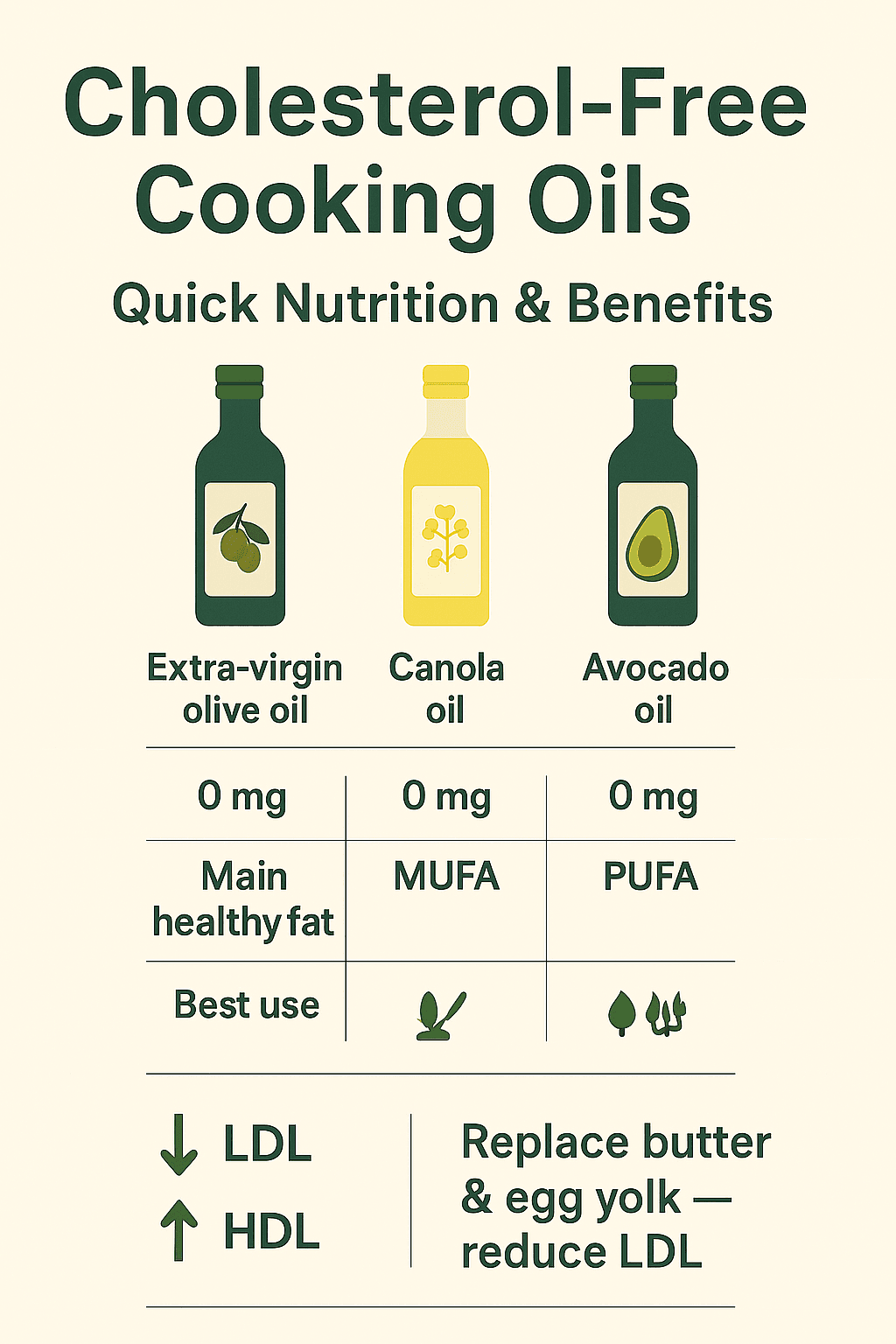
EVOO has been shown to lower LDL cholesterol while increasing HDL cholesterol, making it an excellent choice for heart health.
Olive oil is versatile and can be used for sauteing, roasting, or as a base for salad dressings.
Its moderate smoke point (190-2150C °C) makes it ideal for medium heat cooking, though it should be avoided for high heat frying.
Cholesterol Content: 0 mg per tablespoon.
2. Canola Oil:
Canola oil is extracted from the seeds of the canola plant, a type of rapeseed. It is low in saturated fat and high in omega-3 fatty acids, which have been linked to improved heart health.
Canola oil has a high smoke point (about 2040 °C), making it ideal for stir-frying, deep frying, and baking.
In addition to being cholesterol-free, canola oil contains beneficial monounsaturated fats and may help reduce overall cholesterol levels, particularly when used as a replacement for animal fats.
Cholesterol Content: 0 mg per tablespoon.
3. Avocado Oil:
Avocado oil is extracted from the flesh of the avocado fruit. It is a rich source of monounsaturated fats, vitamin E, and antioxidants.
Like olive oil, avocado oil can help lower LDL cholesterol and improve HDL cholesterol levels.
It also has a high smoke point (around 2500C °C), making it ideal for high-heat cooking methods like grilling, searing, or stir-frying.
Cholesterol Content: 0 mg per tablespoon.
Cholesterol in Cooking Oils vs Cholesterol-Containing Foods:
| Food/Oil | Serving Size | Cholesterol Content | Saturated Fat Content |
| Extra-Virgin Olive Oil | 1 tablespoon (~14 g) | 0 mg (0%) | 1.9 g |
| Canola Oil | 1 tablespoon (~14 g) | 0 mg (0%) | 1.0 g |
| Avocado Oil | 1 tablespoon (~14 g) | 0 mg (0%) | 2.0 g |
| Butter (Unsalted) | 1 tablespoon (~14 g) | ~31 mg | 7.3 g |
| Egg Yolk (1 large) | 1 yolk | ~185-200 mg | 3.3 g |
| Beef Liver (Cooked) | 100 g | ~300-400 mg | High |
As the table illustrates, plant-based oils like extra virgin olive oil, canola oil, and avocado oil are cholesterol-free, unlike butter or egg yolk, which contain significant amounts of cholesterol.
Health Effects of Cholesterol-Free Oils:
Replacing cholesterol-containing oils and fats with cholesterol-free plant oils offers a range of health benefits:
Improved Cholesterol Level:
Cholesterol-free oils like olive oil, canola oil, and avocado oil contain unsaturated fats, which have been shown to lower LDL cholesterol (the “bad” cholesterol) and increase HDL cholesterol (the “good” cholesterol).
By substituting these oils for saturated fats and cholesterol-rich oils, you can significantly improve your lipid profile and reduce the risk of cardiovascular diseases.
Reduced Risk of Heart Disease:
The antioxidants and anti-inflammatory compounds in cholesterol-free oils help protect against oxidative stress and inflammation, both of which are key contributors to heart disease.
Regular consumption of these oils can help reduce blood pressure, improve artery function, and prevent the formation of plaque in blood vessels.
Better Metabolic Health:
Cholesterol-free oils, particularly those high in monounsaturated fats (such as olive and avocado oils), have been linked to improved insulin sensitivity and better metabolic health.
This can help reduce the risk of type 2 diabetes and other metabolic disorders.
Conclusion:
Cholesterol-free cooking oils like extra virgin olive oil, canola oil, and avocado oil offer a healthier alternative to animal fats and cholesterol-rich oils.
These oils not only provide heart-healthy fats but also help improve cholesterol levels, reduce the risk of heart disease, and offer other health benefits.
By making the switch to these oils, you can enjoy flavorful meals while supporting.



Comments are closed.