


Introduction: Edible Oil Labeling Regulations,
First, let’s be clear about edible oil labeling regulations: when you pick a bottle from the shelf, the label tells a story. Moreover, that story can protect your health, your money, and the quality of food you serve.
Edible oil labeling regulations and what to look for when buying edible oils guide producers in how to declare oil type, processing, and safety.
Therefore, learning a few simple checks saves time and reduces risk.
In this article, I’ll outline the essential label elements for edible oil labeling regulations, explain voluntary claims, show how to verify certifications, and offer a short, research-informed checklist so you shop smarter.
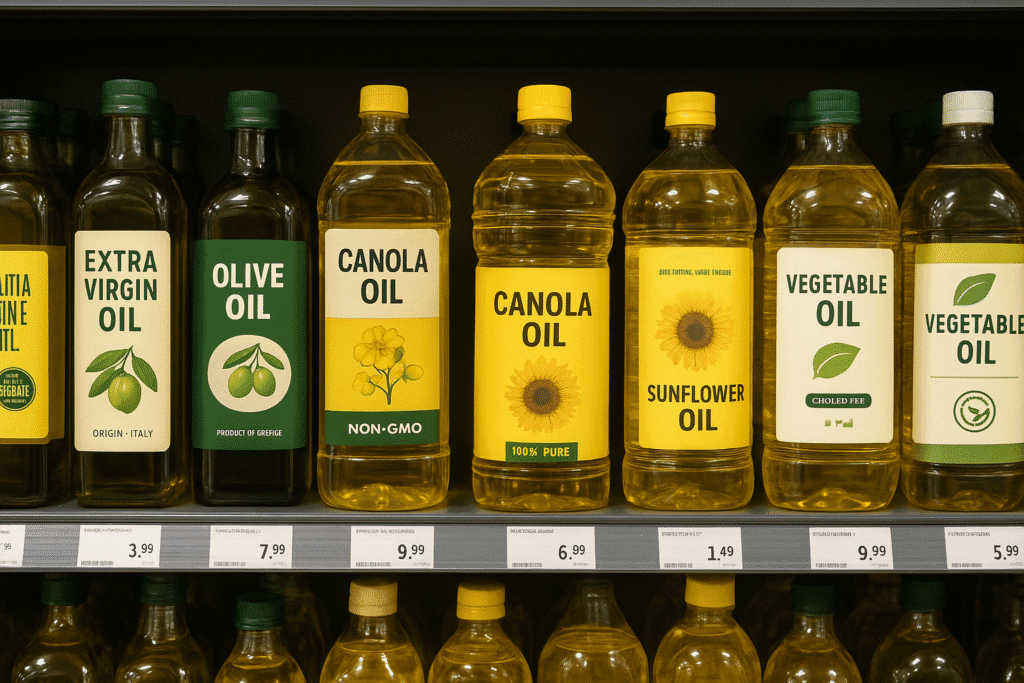
Mandatory Label Elements: The Essentials to check (Labeling Requirements):
| Label element | What to check | Why it matters/Quick action |
| Product name & declared oil type (Product identifications) | Exact product name (e.g., extra-virgin olive oil, refined canola oil, high-oleic sunflower). Look for % when labeled as a “blend”; avoid vague “vegetable oil” without a breakdown. | Confirms authenticity and intended use. If ambiguous or misleading, suspect mixing or mislabeling. |
| Net weight, batch/lot number & dates (Traceability) | Manufacturing (MFG) date, expiry (EXP) date, and visible batch/lot number. | Enable tracebacks, recalls, and quality investigations. Record the lot number if you report a problem. |
| Manufacturer/packer info & country of origin (accountability) | Producer/packer name, address, and country of origin, with contact details or websites. | Let’s you contact the brand for certificates or complaints. Missing info reduces accountability. |
| Ingredient list, declared purity & additives (purity & additives (purity & composition)) | Full ingredient declaration and any additives: explicit statement if oil is blended or deodorized. | Reveals adulteration or undeclared blends. If other oils/additives aren’t listed, treat with caution. |
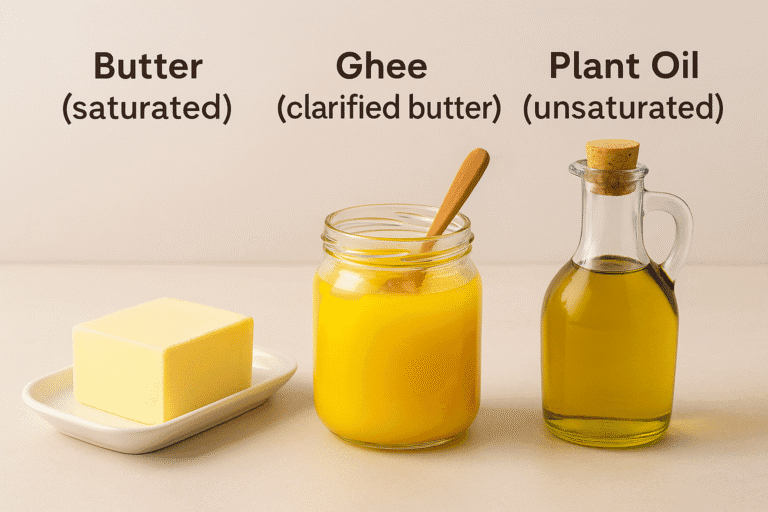
| Nutrition facts & fat breakdown (SFA/MUFA/PUFA) | Total fat plus saturated, monounsaturated, and polyunsaturated values were shown. | Helps match oil to health goals and cooking needs (e.g., lower SFA, higher MUFA for heart health). |
Voluntary Claims & Marketing Terms: What They Really Mean (Label Claims & Marketing):
People often buy based on a claim, so let’s decode the most common ones.
“Extra virgin,” “virgin,” and “cold pressed” authenticity and taste
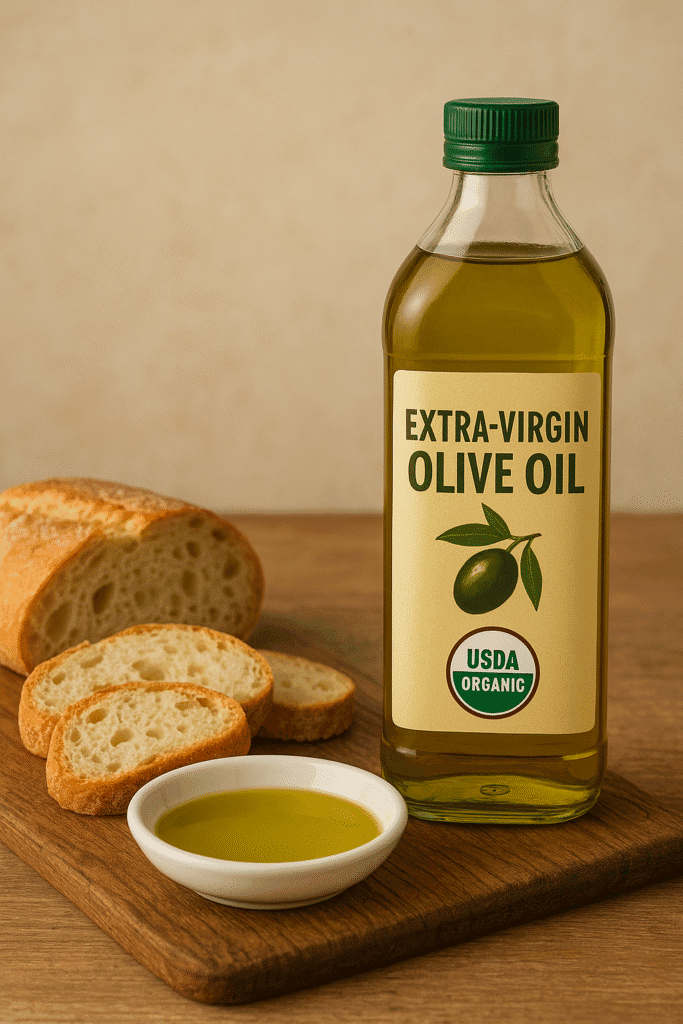
Extra-virgin olive oil indicates low acidity and minimal processing. Cold-pressed claims imply limited heat use during extraction; thus, the oil may retain more aroma and antioxidants. However, producers may misuse terms, so check certifications when authenticity matters.
- “Refined,” “high-oleic,” light processing, and stability
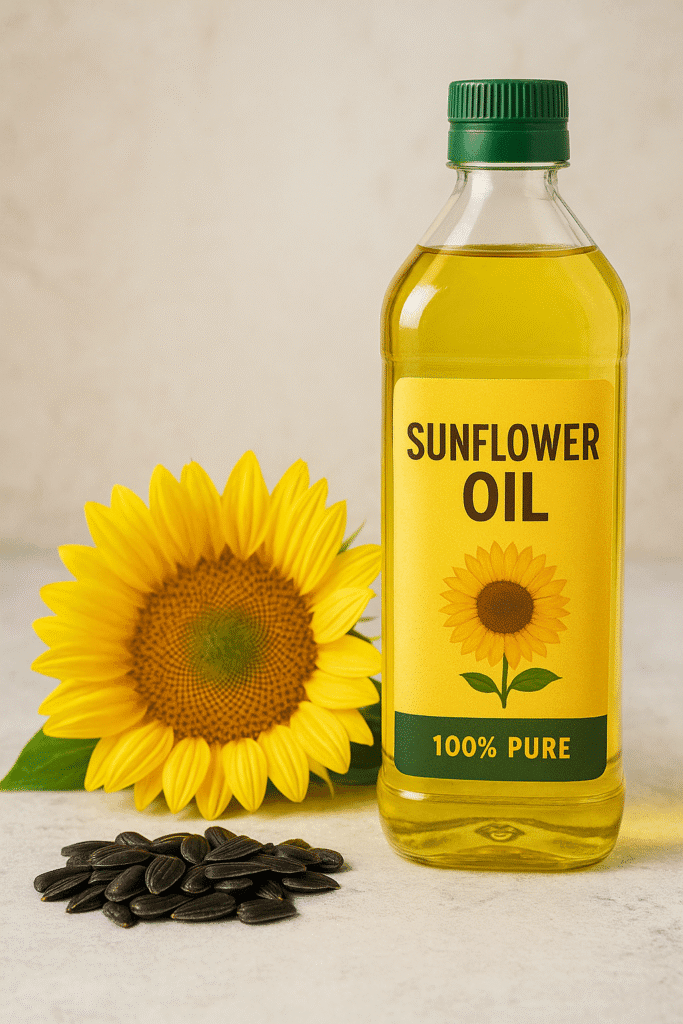
- Refined oils usually tolerate high heat and have a neutral flavor.
- In contrast, high-oleic oils offer better oxidative stability and longer shelf life.
- Therefore, match the claim to the cooking task: choose refined or high-oleic oils for frying and extra-virgin for dressings.
- ‘ No cholesterol, “ zero trans fats, healthy sounding, but read closely
- Plant oils naturally contain no cholesterol, so no cholesterol by itself rarely proves superiority. Similarly, ” trans fats” need context:
- As per edible oil labeling regulations, rounding down trace amounts is sometimes allowed; check the ingredients and certifications.
Certification, standards & trust marks (certification & trust marks):
Certifications help you distinguish genuine claims from marketing claims.
Organic, non-GMO, and recognized certifiers (trust marks):
Look for the certifier’s name and code, not just a logo. For instance, if you value organic integrity, then a recognized certifier with verifiable documentation matters.
In addition, a certifier’s website often lists certification numbers you can cross-check.
Food safety & quality standards (HACCP, ISO, FSSC):
Likewise, standards like HACCP or FSSC indicate that the producer follows safety management practices.
These marks do not guarantee perfect oil, but they demand documented processes and testing.
National regulatory logos & traceability QR codes (official marks):
National food authority marks and batch QR codes promote accountability. Consequently, if you can scan a code and find a lab report or traceable info, that oil wins trust points.
- Use QR codes. Certificates & Lab Test Links (Digital Verification):
- First, scan the QR code or visit the producer’s site. Reputable producers publish certificates, lab data, or at least a certificate number. If the link fails, then treat the claim cautiously.

- Simple at-home cues (smell, clarity, and texture):
- Second, use basic sensory checks: extra virgin olive oil should smell green and fruity, not stale or greasy.
- If oil has off-aromas or unexpected cloudiness, keep it, but consider testing or returning it.
- When to ask for lab testing (escalation):
- Third, for expensive or suspicious oils, arrange a lab test. Moreover, save the batch number and the purchase receipt before sending a sample.
- In addition, industry buyers and QC personnel rely on peroxide value and free fatty acids. And sterol profiles to detect adulteration.
Do customers care about edible oil labeling regulations?
First: Many buyers focus on brand, price, and simple claims such as “extra-virgin” or “organic.”
Next: Only a minority check technical details like lot numbers or certificates, and then usually online if those details are clearly highlighted on the label.
Therefore, producers should prominently present critical QC information (e.g., certifier name, QR codes to lab reports, batch number) to improve consumer trust.
What studies were generated (consumer behavior):
For example, health-conscious consumers tend to read nutrition labels and care about provenance.
Meanwhile, casual shoppers often choose convenience. Thus, education and clear labeling increase meaningful label use.

Leave a Comment