


Neutralization Process in Edible Oils.
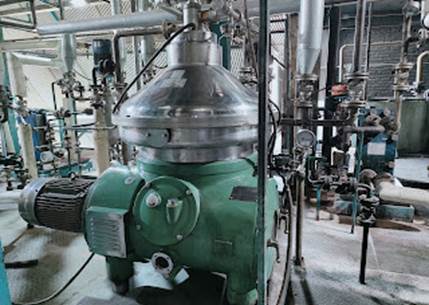
Introduction: Neutralization Process in Edible Oils.
Neutralization is a crucial step in the refining of edible oils.
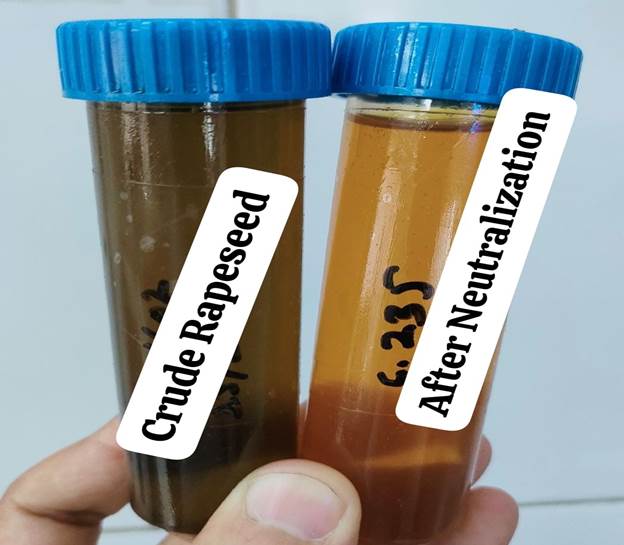
This process removes free fatty acids (FFA) from crude vegetable oils to improve their taste, stability, color, and shelf life.
Free fatty acids, if left untreated, can lead to off-flavors, reduced oil quality, and increased susceptibility to oxidation.
The Neutralization Process in edible oils is typically done using an alkali (usually sodium hydroxide or caustic soda) to convert FFAs into soap stock, which can then be separated from the refined oil.
Objectives of Neutralization: Neutralization Process in Edible Oils.
The key objectives of the neutralization step include:
- Reducing Free Fatty Acids (FFAs): High FFA content affects taste and stability.
- Removing Impurities: Such as phospholipids, pigments, metals, and oxidation products.
- Improving Shelf Life: Lower FFA oils are more stable and have longer shelf lives.
- Enhancing Appearance: Neutralization also contributes to a lighter oil color.
Principle of Neutralization:
The Neutralization Process in edible oils reaction follows this basic chemical principle:
R-COOH (FFA) + NaOH → R-COONa (Soap) + H₂O
Where:
- R-COOH = Free fatty acid
- NaOH = Sodium hydroxide (alkali)
- R-COONa = Soap (sodium salt of fatty acid)
The soap formed during this process is removed from the oil through centrifugation or settling.
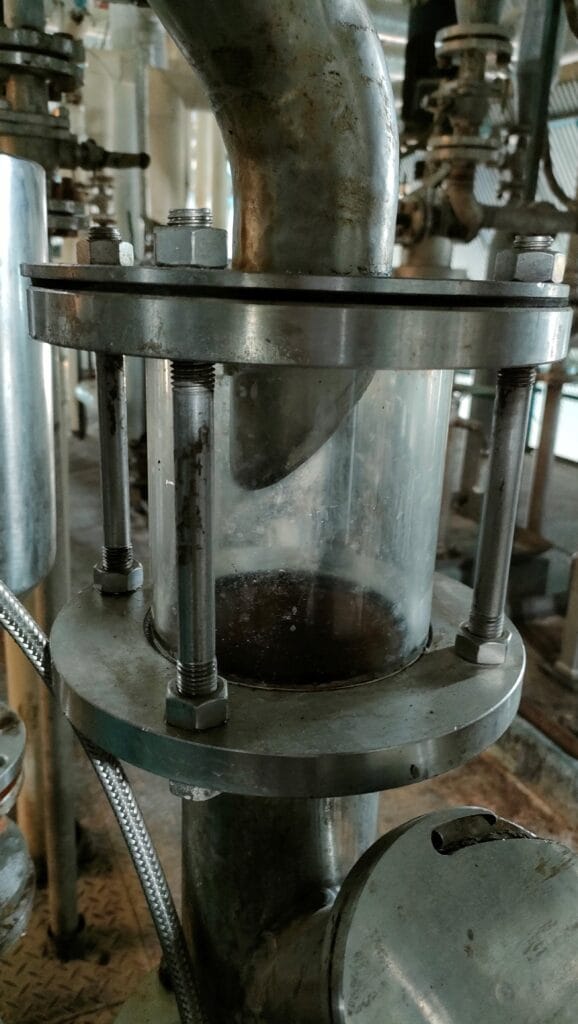
Types of Neutralization
- Chemical (Alkali) Neutralization:
Chemical (Alkali) Neutralization:
This is the most common method for large
Scale refining of edible oils. The process involves several key steps to effectively reduce free fatty acids (FFAs) and improve the oil’s overall quality.
- Heating the Oil:
The crude oil is first heated to 60–70°C to facilitate better mixing with the alkali solution. - Addition of Alkali:
A calculated amount of dilute sodium hydroxide (NaOH) solution is added to the heated oil while it is being stirred. This allows the NaOH to react with the FFAs present in the oil. - Soap Formation:
The neutralization reaction occurs, converting FFAs into soap (the sodium salt of the fatty acid) and water. Then, separate the soap from the oil. - Soap Separation:
After the reaction, the oil is allowed to settle, or it may be centrifuged to separate the soapstock from the refined oil efficiently. - Washing the Oil:
The neutralized oil is washed with hot water to remove any remaining traces of soap and impurities. - Drying the Oil:
Moisture from the washing step is removed using a vacuum dryer or a heater, ensuring the final product is free of water.
Factors Affecting Neutralization Efficiency:
- FFA Content: Higher FFA levels may require more alkali, resulting in greater losses of neutral oil.
- NaOH Concentration: Using an alkali that is too strong or too weak can lead to incomplete reactions or emulsification.
- Mixing and Temperature: Proper agitation and controlled temperature enhance the reaction rate and overall separation efficiency.
- Centrifugal Efficiency: Effective separation equipment ensures minimal oil losses during the separation process.
Advantages of Proper Neutralization:
- Improved oil quality (color, odor, taste)
- Enhanced shelf life and oxidative stability
- Reduced soap and impurity content
- Better suitability for downstream processing (bleaching, deodorization)
By following the chemical neutralization method, oil processors can ensure the production of high-quality refined oils that meet both domestic and international standards.
This is the most common method for large-scale refining. The process involves mixing the crude oil with a caustic soda solution under controlled conditions.
Next, separate the soap stock by centrifugation.
Challenges and Solutions:
Physical Refining (Steam Stripping):
In this process, FFAs are removed by vacuum steam distillation. This method is preferred for oils with high FFA content, such as palm oil.
Enzymatic Neutralization
A newer and more environmentally friendly approach, using specific lipase enzymes to break down FFAs. However, it’s less common due to higher cost and process complexity.
Heating the Oil
The crude oil is first heated to 60–70°C to facilitate better mixing.
Addition of Alkali
Next, add a calculated amount of diluted NaOH solution while stirring to react with FFAs.
Soap Separation
After the reaction, allow the oil to settle or centrifuge it to separate the soap stock.
Washing the Oil
Washed the neutralized oil with hot water to remove the traces of soap and impurities.
Drying
Remove the moisture from the washing step using a vacuum dryer and heater.
- FFA Content: Higher FFA oils need more alkali, leading to greater neutral oil loss.
- NaOH Concentration: Too strong or too weak alkali can result in incomplete reaction or emulsification.
- Mixing and Temperature: Proper agitation and controlled temperature enhance reaction rate and separation.
- Centrifugal Efficiency: Effective separation equipment ensures minimal oil losses.
- Improved oil quality (color, odor, taste)
- Enhanced shelf life and oxidative stability
- Reduced soap and impurity content
- Better downstream processing (bleaching, deodorization).
Conclusion:
Neutralization is a critical refining step in edible oils that determines their quality and stability. Whether performed chemically or physically, the goal remains the same: to produce a clean, neutral, and safe oil for consumption.
With proper control over process parameters and techniques, oil processors can ensure the production of high-quality refined oils that meet both domestic and international standards.


Comments are closed.