Introduction: Colour Measurement in Oils, Colour
Colour Measurement in Oils is one of the most critical quality attributes of edible oils and fats.
It influences consumer preference, indicates refining efficiency, and helps detect contamination or degradation.
To standardise and perform colour measurement in Oils, the Lovibond Tintometer is widely used in both manual and digital formats.
This article provides a complete guide to Colour Measurement in Oils using Lovibond Tintometer to measure oil colour, including types of devices, cells used, and calibration methods.
What Is a Lovibond Tintometer? Colour Measurement in Oils
The Lovibond Tintometer is a colour-comparison instrument used to assess the Colour of transparent materials.
Liquids, such as edible oils, are compared against standard colour units (red, yellow, blue).
It is based on a colour-matching system in which a light source passes through the oil sample and standard colour filters for direct comparison.
Colour Measurement in Oils:
Types of Lovibond Tintometers for Colour Measurement in Oils
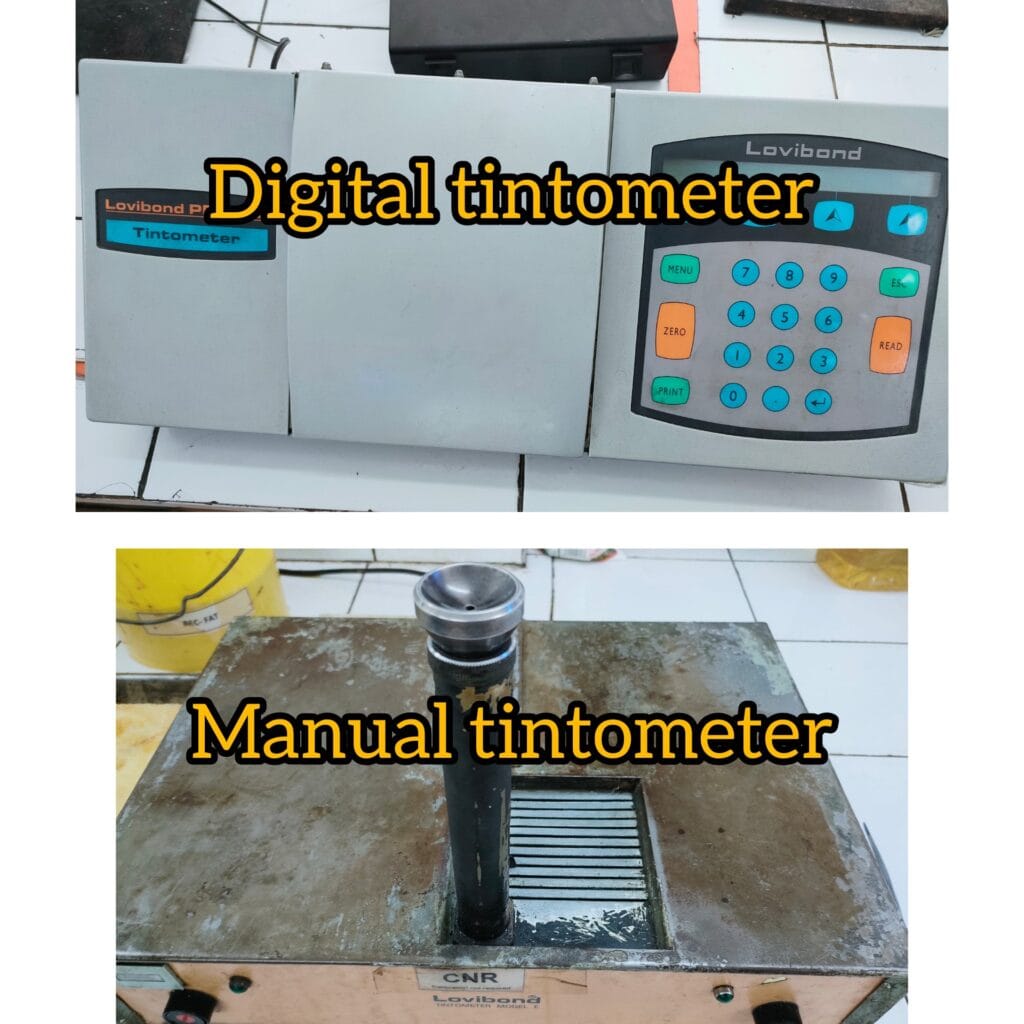
1. Manual Lovibond Tintometer
- Operated by visual comparison of the sample with standard colour slides.
- Uses rotating colour filters or glass discs in red, yellow, and blue shades.
- The user adjusts dials until the sample colour matches the standard.
2. Digital Lovibond Tintometer (Colourimeter)
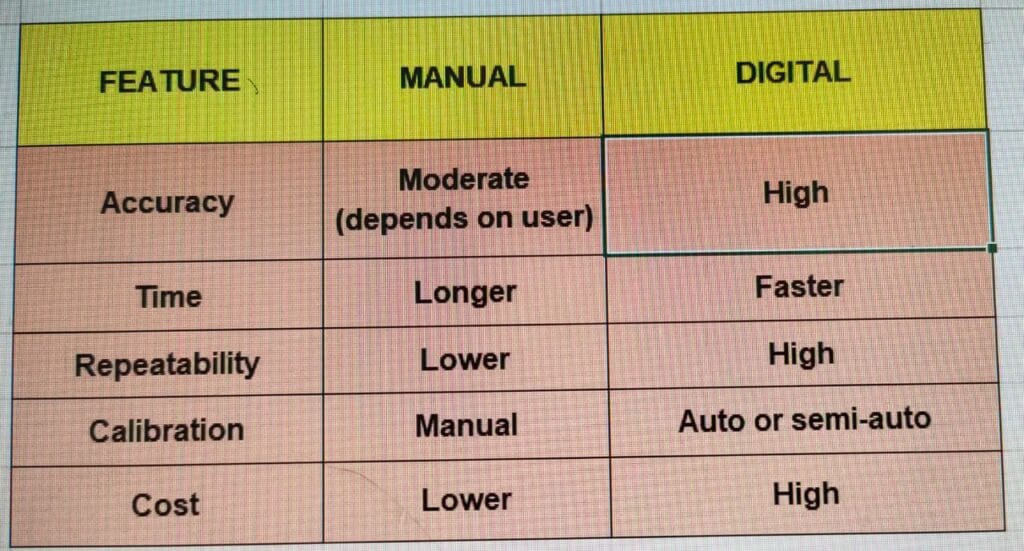
Reduces human error and improves accuracy and repeatability.
Uses a light source and a photodetector for automatic reading.
Displays colour values (R+Y) directly on a digital screen.
Cells Used in Lovibond Tintometer:
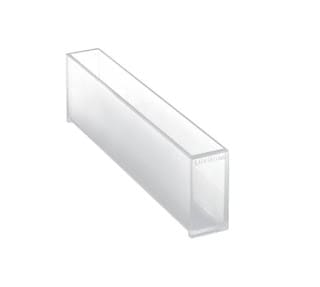
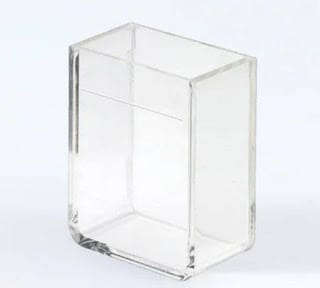
1″, ½”, ¼”, ⅛” $5.25’’ (inches) path length cells
Made of optical glass
The choice depends on the oil colour intensity:
o Dark oils (e.g., crude palm oil): use shorter path 1.0″ or (e.g., ¼”)
o Light oils (e.g., refined sunflower oil):
Use la onger path 5.25″ (e.g., 1″). Note: Ensure cells are clean, scratch-free, and filled to avoid air bubbles.
1.0” & 5.25” Cells.
Standard Lovibond Colour Scale:
The Colour of oils is expressed using Lovibond units:
- R (Red)
- Y (Yellow)
Sometimes B (Blue) is included for specific complex colours

Cell Details:
1-inch cell for crude and 5.25-inch cell for Colored products.
The Colour of vegetable oil is due to the presence of chlorophyll and other pigments. Manual Lovibond is used for crude oil colour checking, while digital is used for semi and refined colour checking.
Two cells are being used:
1-inch cell and 5.25-inch cell. 1-inch cell used for crude oil checking, 5.25-inch cell for the final refined product.
Example:
Refined sunflower oil: 1.0R + 10.0Y Crude palm oil: 15.0R + 30.0Y
Crude palm oil: 15.0R + 30.0Y
Calibration of Lovibond Tintometer
Manual Calibration:
1. Clean the instrument lenses and viewing chamber.
2. Use a certified glass standard or distilled water in a cell as a blank.
3. Match to the zero setting before use.
4. Periodically verify using Lovibond reference colour slides.
Digital Calibration:
1. Run the auto-zeroing function with an empty (clean) cell.
2. Use certified colour standards to validate calibration monthly.
3. Keep firmware/software updated if applicable.
Step-by-Step Procedure: Colour Measurement in Oils,
1. Sample Preparation:
Filter oil if needed.
Ensure the sample is free of suspended particles or water, as water can produce bubbles.
Bring the sample to room temperature (approx. 25°C).
2. Cell Selection:
Choose the appropriate path length (½”, 1″, etc.) based on oil clarity. Usually, 1 and 5.25-inch cells are used.
3. Filling the Cell:
Fill without air bubbles.
Wipe the outside of the cell clean.
4. Placing in Tintometer:
First, insert the filled cell in the sample holder.
Then, for manual models, adjust dials to match the sample colour.
For digital models, read the direct Lovibond R+Y values on screen.
5. Recording the Result:
Express results in Lovibond units (e.g., 1.0R + 10.0Y).
Advantages of Using Lovibond Tintometer:
Troubleshooting Tips:
- Cloudy Sample → Heat gently or filter before testing
- Mismatch in Colour Units → because the Verify cell size is used
- Fluctuating Readings → Clean instrument and ensure sample homogeneity
- Inaccurate Colour → Recalibrate with certified standards
Conclusion: Colour
Colour estimation using the Lovibond Tintometer is a standard practice in edible oil analysis.
Whether manual or digital, it provides quick, reliable colour values essential for oil quality assessment.
Proper calibration, correct cell usage, and clean operation are keys to accurate results.