


History Of Saturated Fats in Edible Oils & Fats
Saturated fats in edible oils have been part of human diets for thousands of years. Early humans relied heavily on animal fats and tropical oils for energy and satiety.
Before the Industrial Revolution, people mostly consumed unrefined, natural fats such as butter, lard, tallow, and coconut oil.
These fats, high in saturated fatty acids, were prized for their flavour and long shelf life.
Modern Science:
However, with the rise of modern science and nutrition studies in the 20th century, saturated fats came under scrutiny.
Several early studies linked high saturated fat intake to increased cholesterol levels and heart disease.
Consequently, health agencies worldwide began recommending reduced consumption of saturated fats and promoting unsaturated oils such as soybean, sunflower, and canola instead.
Despite recent debates, saturated fats remain controversial in public health discourse.
Introduction:
Saturated fats in edible oils & Fats are a type of dietary fat found primarily in animal products and some plant oils.
Unlike unsaturated fats, saturated fats lack double bonds in their chemical structure, making them solid at room temperature.
While they offer certain functional and sensory benefits in cooking, they are often criticised for their association with cardiovascular disease.
Today, consumers are more conscious than ever about the types of fats they consume.
Understanding which edible oils and fats are high in saturated fats, how they affect health, and what healthier alternatives exist is crucial for informed dietary choices.
Sources of Saturated fats in edible oils and fats.
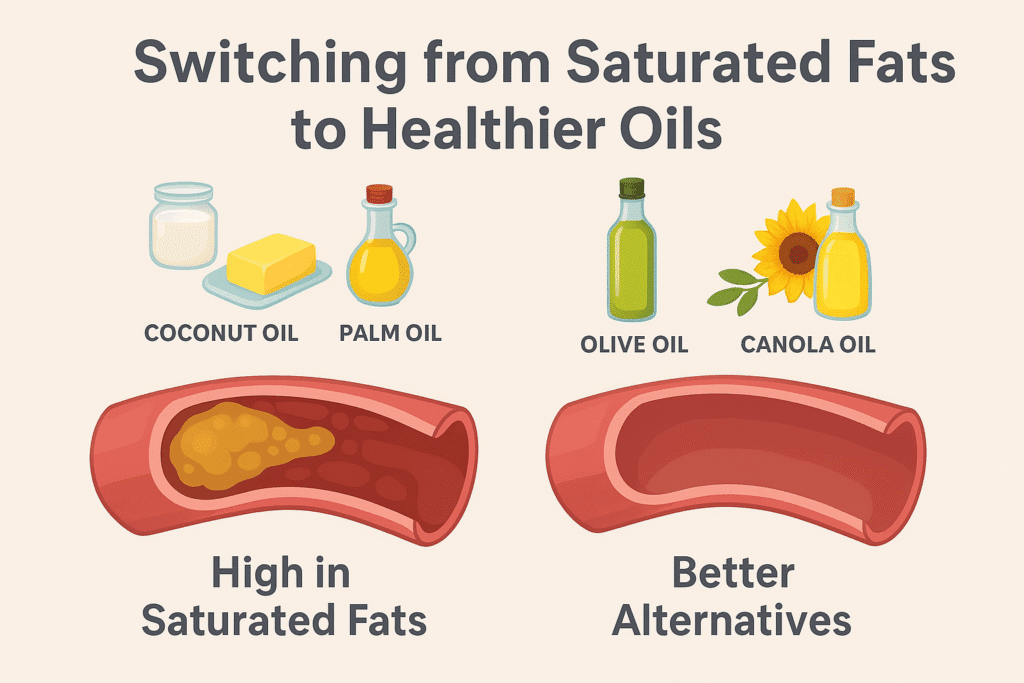
Saturated fats in edible oils are abundant in both animal and plant sources.
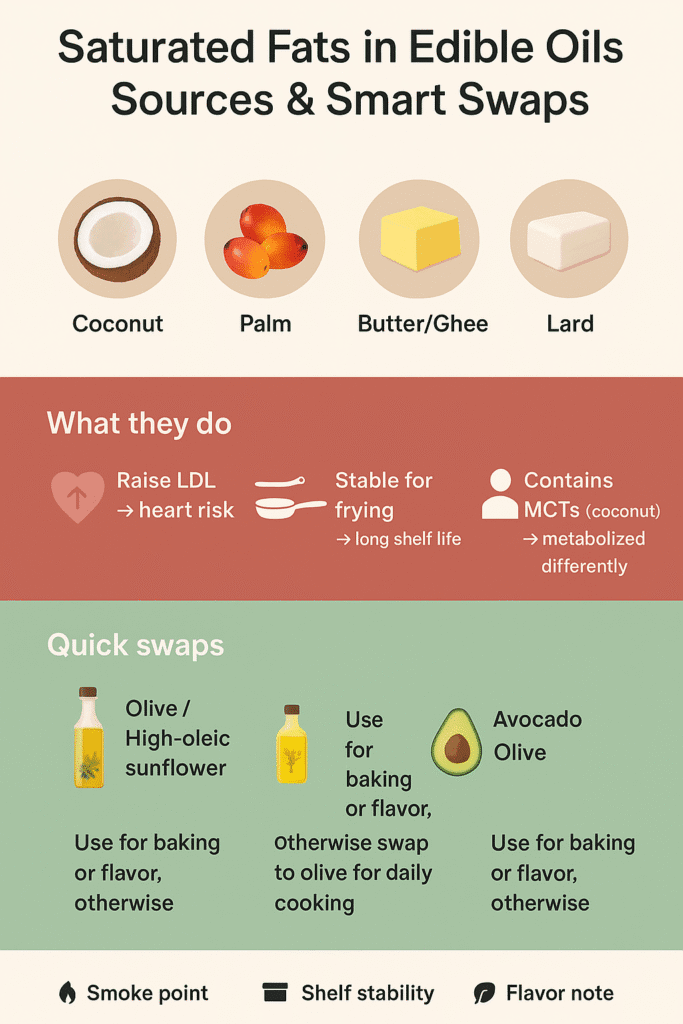
Here are the common oils and fats rich in saturated fats;
Coconut oil contains up to 90% saturated fat.
Lard and tallow rendered from pork and beef, respectively, are rich in saturated fats and were once staples in Western kitchens.
Cocoa butter is high in saturated fat and commonly used in chocolates and desserts.
Despite this, it has gained popularity for its antimicrobial and potential metabolic benefits.
Palm oil is widely used in processed foods and cooking due to its affordability and semi-solid texture.
Butter and ghee, derived from milk fat, are rich in saturated fats and used extensively in baking and traditional cooking.
Saturated fat-containing foods:
- Some everyday foods high in saturated fats include;
Deep-fried snacks and fast food (often cooked in palm oil or animal fats)
Bakery items (like pastries, cakes, and cookies made with butter or shortening)
Processed meats (sausage, bacon, salami)
Dairy products
(cheese, whole milk, cream)
Packaged snacks and confectionery containing hydrogenated or tropical oils.
These items often combine high saturated fat content with low nutritional value, making them targets for dietary moderation.
Nutritional value: Saturated fats in edible oil Vs Canola
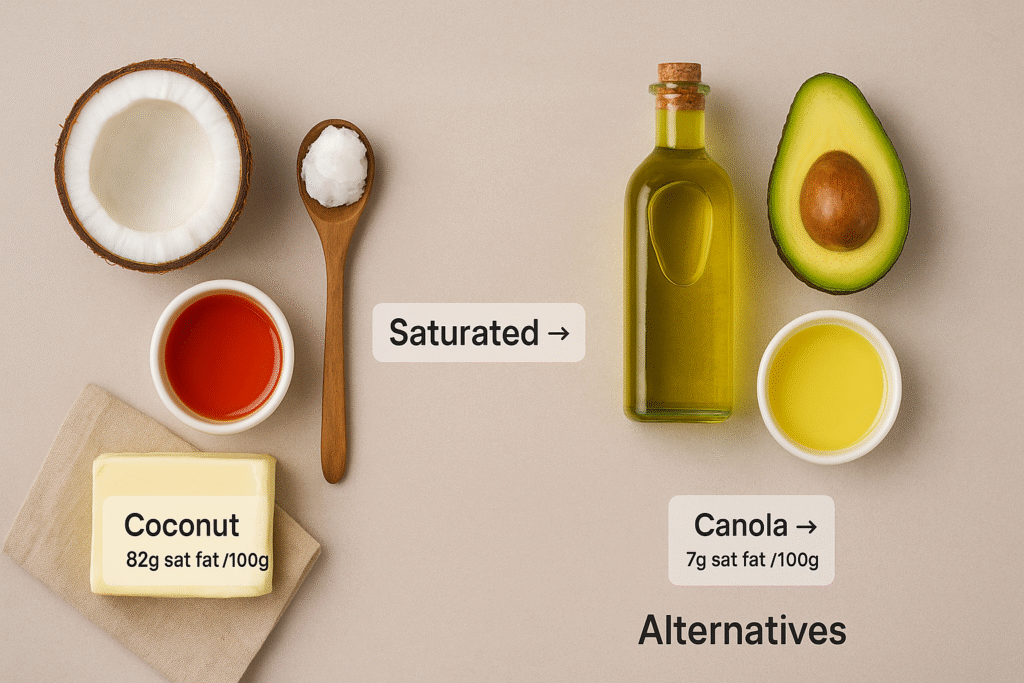
Let’s compare two oils, coconut oil (high in saturated fats) and canola oil (low in saturated fats), to see how they differ nutritionally:
| Nutrient (per 100g) | Coconut oil | Canola oil |
| Saturated fat | 82g | 7g |
| Monosaturated fat | 6g | 63g |
| Polyunsaturated fat | 2g | 28g |
| Vitamin E | low | moderate |
| Imega-3 fatty acids | minimal | high |
| Smoke point | 350f (177c) | 400f (204c) |
As the table shows, canola oil has a more heart-healthy fat profile, contains omega-3 fatty acids, and provides vitamin E, making it a preferred choice for daily cooking.
In contrast, coconut oil is highly saturated but may be used in moderation for specific dishes due to its unique flavour and antimicrobial properties.
Health Effects of Saturated Fats:
Excess consumption of saturated fats has been linked to several health concerns:
Increased LDL (bad) cholesterol levels, which can clog arteries.
Higher risk of cardiovascular diseases, including heart attack and stroke
Insulin resistance and obesity occur when consumed alongside a high-calorie diet.
However, it’s worth noting that not all saturated fats are equal. For instance, medium-chain triglycerides (MCTs) in coconut oil are metabolised and may have less harmful effects.
Potential Benefits (in moderation):
Improve hormone production. Fats, including saturated fats, play a key role in hormone synthesis.
Enhanced brain function, and some saturated fats are essential for brain development and memory.
Better shelf stability and cooking performance. Oils and high-saturated fats are less prone to oxidation and rancidity.
Nevertheless, moderation remains key. Most nutrition experts recommend a balanced diet with a variety of fats.
Alternative to Saturated Fats:
If you’re looking to reduce saturated fats in your diet without sacrificing flavour or nutrition, here are healthier alternatives
- Monounsaturated fats
Olive oil: Especially extra virgin, it’s rich in antioxidants and heart-healthy fats.
Avocado oil: High in vitamin E and monounsaturated fats, ideal for high-heat cooking.
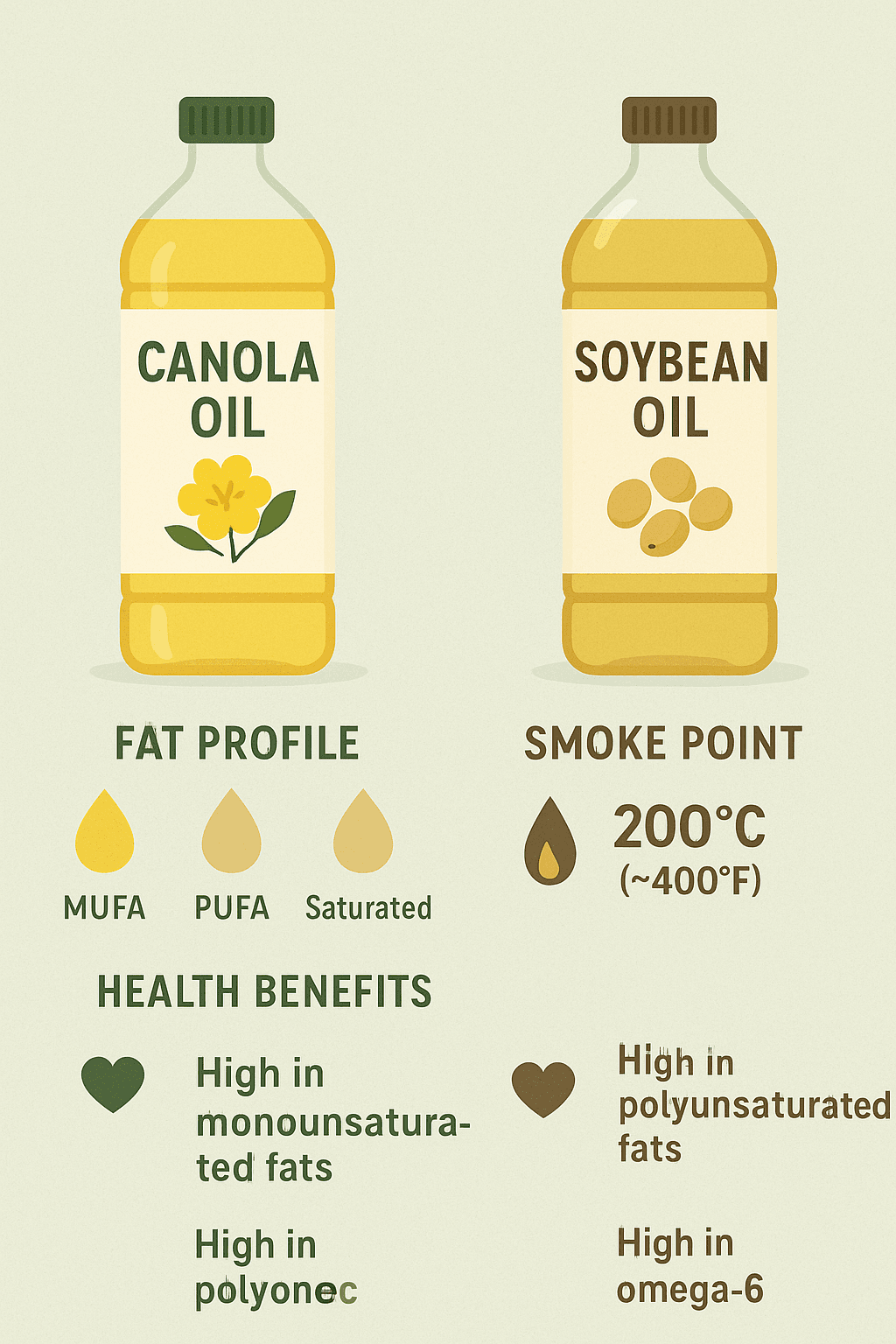
Canola oil: Low in saturated fat, affordable, and suitable for a wide range of uses.
- Polyunsaturated fats
Sunflower oil: light flavour, good for salads and sautéing.
Soybean oil: widely available and contains both omega-3 and omega-6 fatty acids.
Flaxseed oil: rich in alpha-linolenic acid (a plant-based omega-3), but should not be heated.
- Functional Blends:
Same manufacturers now offer blended oils designed to optimise cooking performance and nutritional value.
These may mix high-oleic sunflower oil with canola or olive oil to reduce saturated fat while maintaining a neutral flavour.
Conclusion:
Saturated fats in edible oils and fats continue to stir debate among nutritionists, chefs, and consumers alike.
While they contribute to texture, flavor, and stability in cooking, excessive intake is still linked to increased health risks, particularly heart disease.
However, not all saturated fats behave the same, and their impact can vary based on food source and overall diet.
The good news is that healthier alternatives such as olive, canola, and avocado oils are widely available and affordable. By understanding the source, function, and impacts of various fats, individuals can make better choices to support heart health without compromising taste or culinary quality.
Ultimately, a diet rich in whole foods, balanced fats, and low in processed oils is the best strategy for maintaining long-term health and wellness.


Comments are closed.