


Introduction of Trans fats in cooking oil:
Trans Fats in Cooking Oil are a type of unsaturated fat found in some foods.
In recent years, the term” Trans free fat” has become increasingly popular on food labels, especially in margarine, cooking oils, and processed foods.
But what does it really mean? And why does it matter?
This article explores the science, regulation, health impacts, and industrial importance of trans fats in Cooking Oils.
Chemistry of trans fats in cooking oil:
Trans fats in cooking oil are a type of unsaturated fat that contains at least one double bond in the trans configuration.
Unlike the naturally occurring cis form, trans fats change the shape of fatty acids, making them more linear and rigid, similar to saturated fats.
Two Types of trans fats in cooking oil:
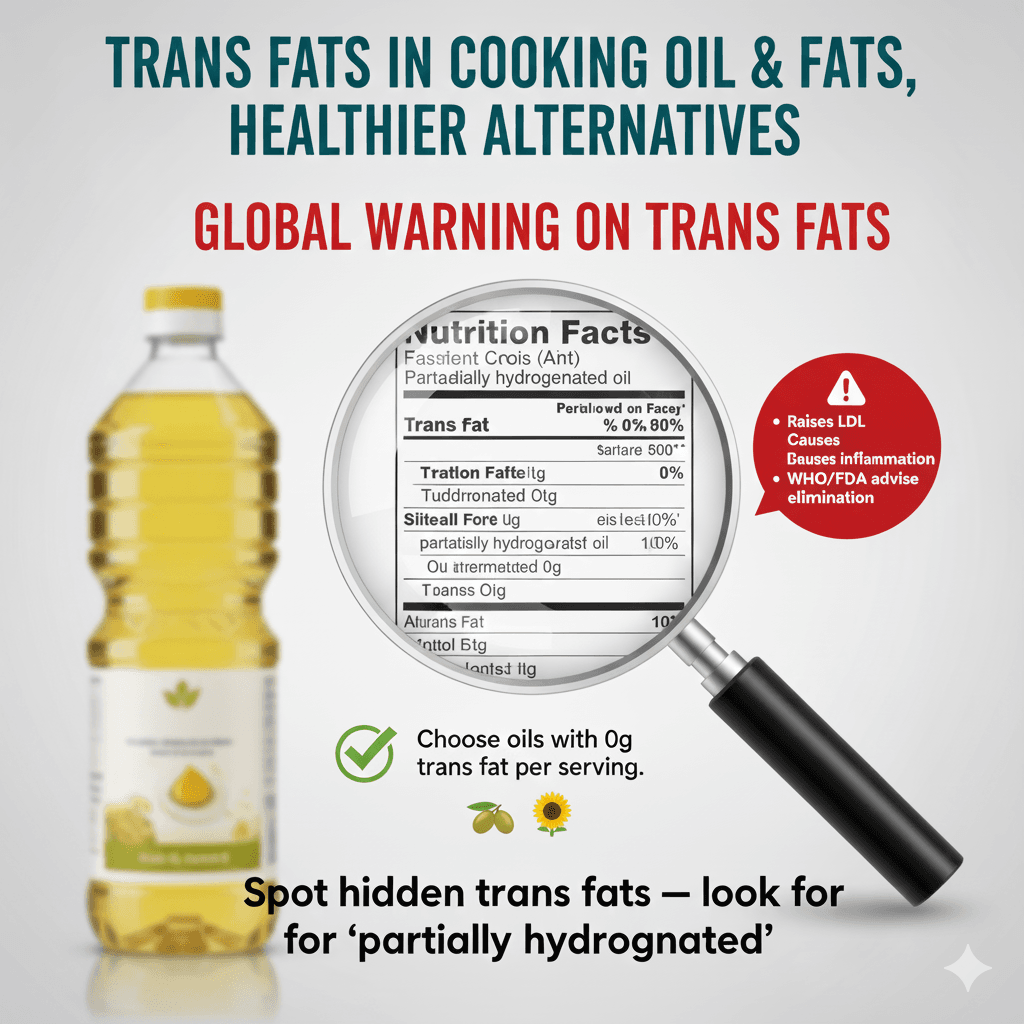
1. Artificial trans fat is produced during the partial hydrogenation of vegetable oils.
2. Natural trans fats are found in small amounts in animal fats (ruminants).
Health Risks of Trans Fats:
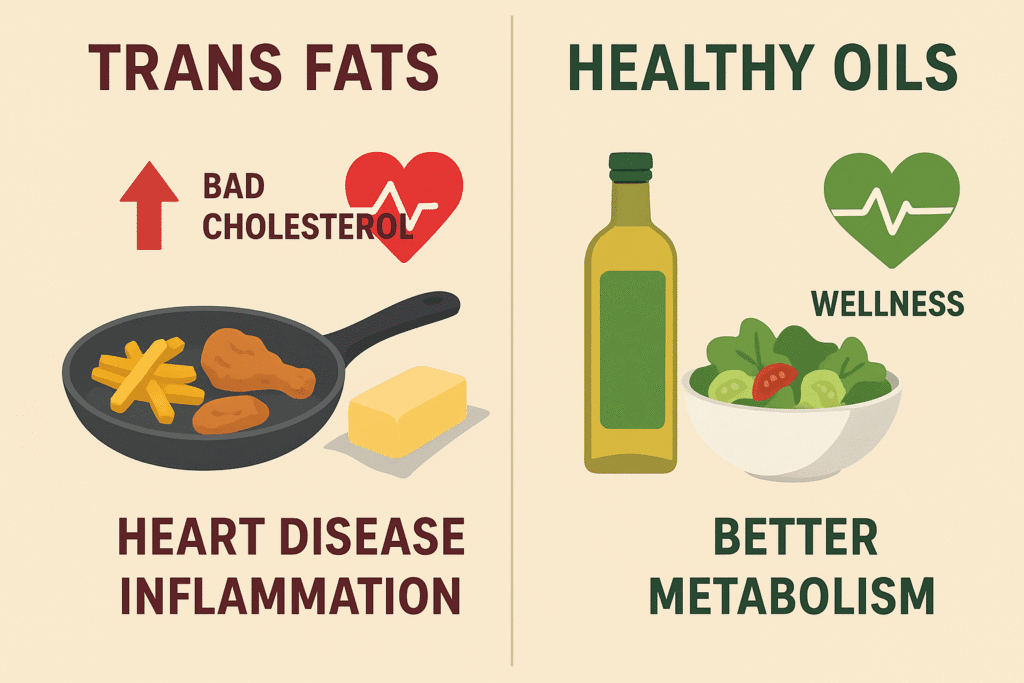
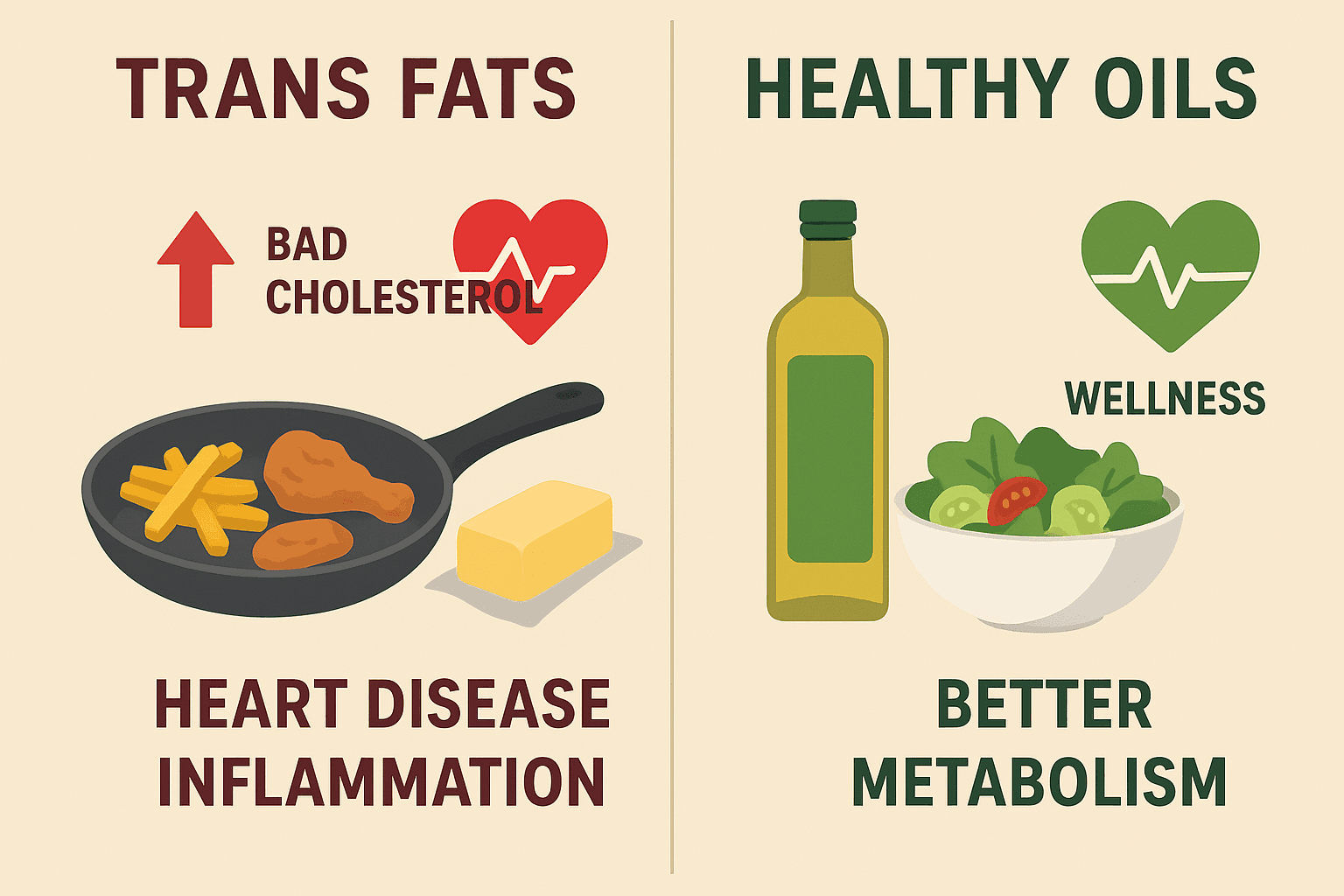
Trans Fats in cooking oil raise bad cholesterol and, consequently, increase the risk of heart disease.
Moreover, they contribute to inflammation, which may lead to chronic illness. Therefore, choose healthier alternatives such as olive oil and other soft oils.
Promote inflammation.
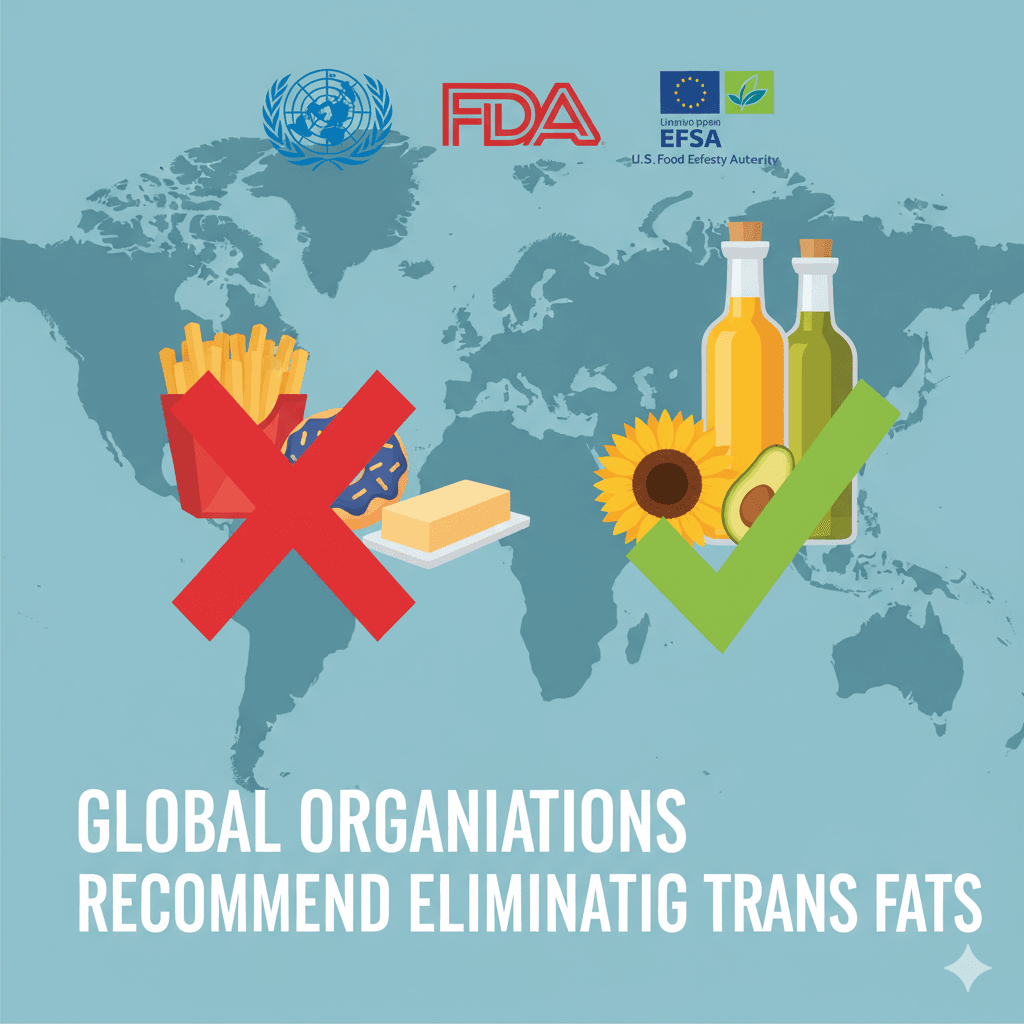
As a result, global health organisations like the WHO, FDA, and EFSA have recommended reducing or eliminating trans fats from the food supply. In addition, these options support better metabolism and overall well-being. Ultimately, avoiding trans fats helps maintain long-term resolution of health issues.
What is Trans free fat?
Less than 0.5 grams per serving, as per the Food and Drug Administration.
Or 0.1 of total fat (per Codex Alimentarius or local standards)
These fats are typically:
Inter esterified
Naturally trans- free oils (e.g., Canola, Sunflower).
How are trans-free fats made in the industry?
1. Fully Hydrogenation.
Converts all double bonds to saturated bonds
The resulting fat has no trans configuration
Often blended with liquid oils for the desired texture.
2. Interesterification.
Rearranges fatty acid positions without forming trans isomers
Achieves melting properties similar to traditional fats.
3. Fractionation.
Separates saturated and unsaturated components
High melting fractions are used in bakery or shortening applications.
4. Blending.
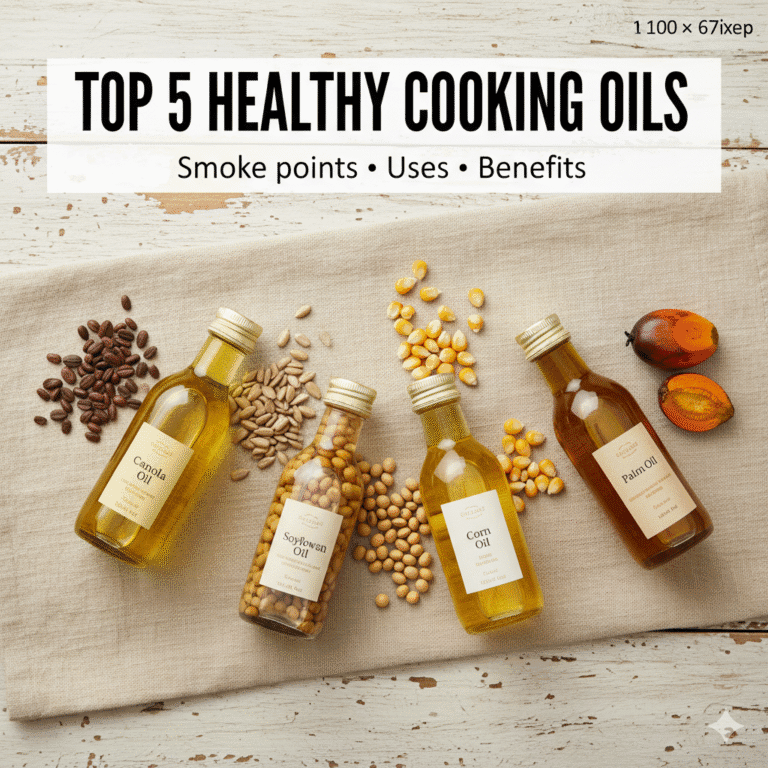
Combining trans-free oils like palm oil, Canola, or rice Canola oil with fully hydrogenated fats.
Quality Control and Testing.
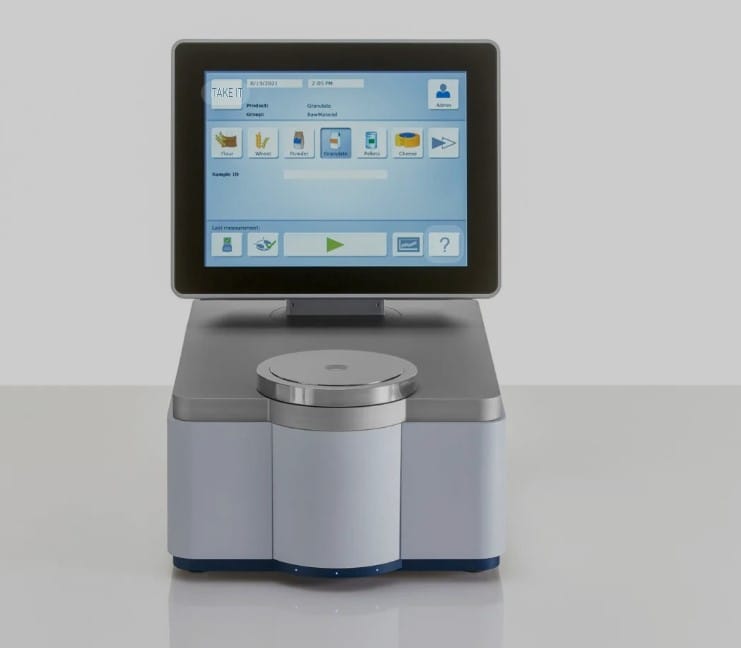
In R&D and QC labs, trans fats are tested using
Gas chromatography (GC-FID)
Infrared spectroscopy (FT-NIR)
NMR spectroscopy.
For a product to be labelled trans free, certificates of analysis COA and lab results must conform to regulatory limits.
Common Trans free alternatives.
Trans free fat application:
Inter-esterified palm oil margarine, bakery fats
Fully hydrogenated soy oil confectionery, frying fats
Canola & Sunflower oil, cooking oil, salad dressing
Coconut oil (non-hydrogenated), bakery, creamers.
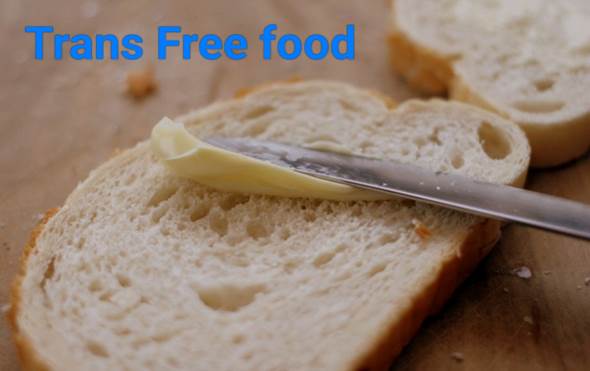
Regulator Guidelines (Quick View).
Country Trans-fat limit
USA <0.5 g/serving
Eu <2% of total fat
Pakistan <2% (PSQCA)
WHO
The global goal will be eliminated by 2023.
Conclusion:
Trans free fats represent a healthier alternative to partially hydrogenated oils.
As health awareness and regulations increase worldwide, the edible oil industry is shifting toward clean-label, trans-free, and functional fat systems.
By adopting new processing techniques, manufacturers can now deliver fats that are stable, cost-effective, and safe without compromising health or performance.

Comments are closed.