RBD Palm Oil:
RBD Palm Oil Process is one of the most widely used vegetable oils across the globe.
It stands for Refined, Bleached, and Deodorized, the three essential stages that transform crude palm oil into a clean, neutral, and versatile product.
This type of palm oil is especially popular in the food industry, personal care products, and industrial applications due to its long shelf life, heat stability, and cost-effectiveness.
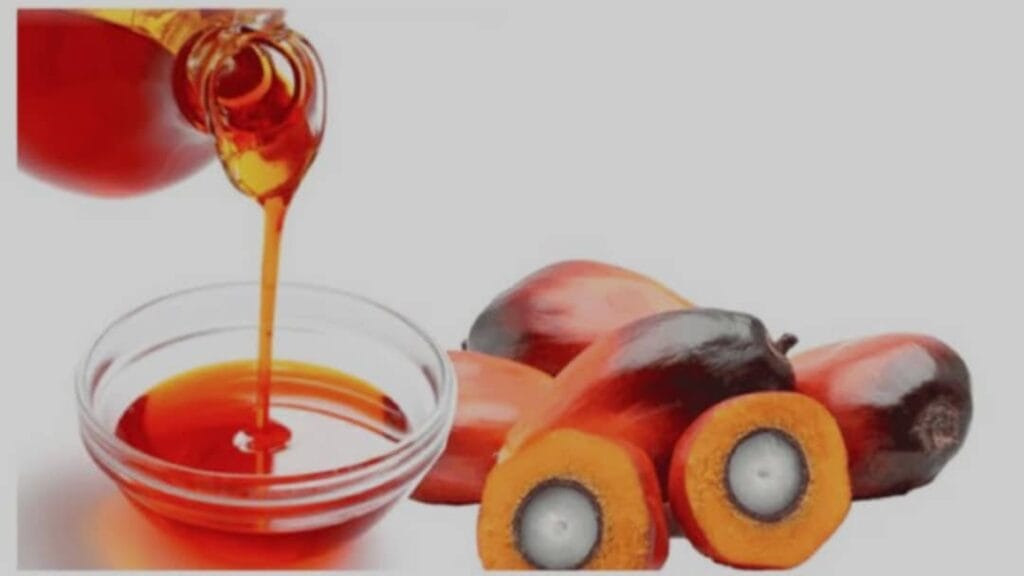
Processing of RBD Palm Oil: RBD Palm Oil Overview.
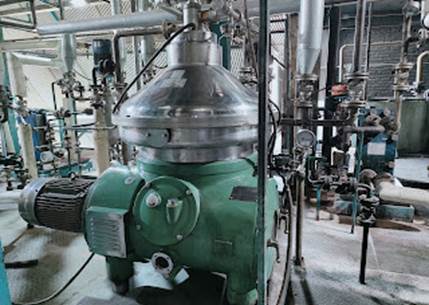
The RDB Palm Oil process, the journey from crude palm oil (CPO) to RBD Palm Oil, involves a multi-step process aimed at removing impurities, odors, and color while preserving the oil’s beneficial properties.
The three main stages are:
Refining: This step neutralizes free fatty acids using an alkali, such as caustic soda. The neutralized oil is then washed and dried.
Bleaching: In this phase, activated bleaching earth or clay is added to the oil to remove pigments, trace metals, and oxidation products. This process significantly improves the oil’s appearance.
Deodorization: The final step involves steam distillation at high temperatures (above 200°C) under vacuum to eliminate volatile compounds, especially those responsible for odor.
These processing steps are designed to ensure the oil is safe for consumption, stable for long-term storage, and suitable for use in a variety of products.
Physical & Chemical Properties: RBD Palm Oil process.
RBD Palm Oil possesses a balanced composition of saturated and unsaturated fatty acids, making it semi-solid at room temperature. It has the following key characteristics:

Color: Light yellow to golden
Odor: Neutral (odorless after deodorization)
Free Fatty Acid (FFA) content: Less than 0.1%
Melting point: Between 33°C and 39°C
Iodine value: Typically ranges from 50 to 55, indicating moderate unsaturation
Saponification value: Between 190 and 205
Its stability and resistance to oxidation make it a preferred choice for frying applications and processed food manufacturing.
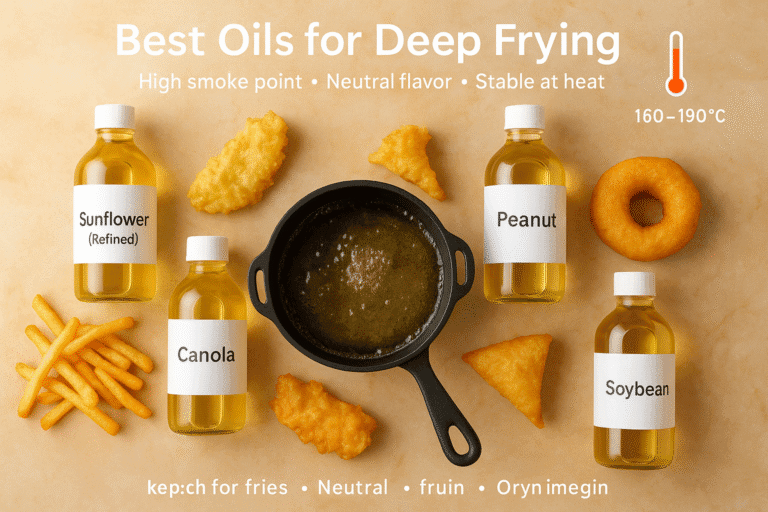
It also has a high smoke point, making it suitable for deep frying without breaking down easily.
Applications and Uses: RBD Palm Oil process.
RBD Palm Oil is extensively used in both food and non-food sectors. In the food industry, it serves as a primary ingredient in:
- Cooking oil blends
- Margarine and shortening
- Bakery fats and spreads
- Instant noodles and snacks
- Confectionery products
In non-food sectors, it is used for manufacturing soaps, detergents, candles, lubricants, and cosmetics.
Additionally, it serves as a key feedstock for biofuel (biodiesel) production.
Its neutral flavor and oxidative stability make it an indispensable component in commercial food preparation and industrial processes.
Health and Nutritional Aspects: RBD Palm Oil Process.
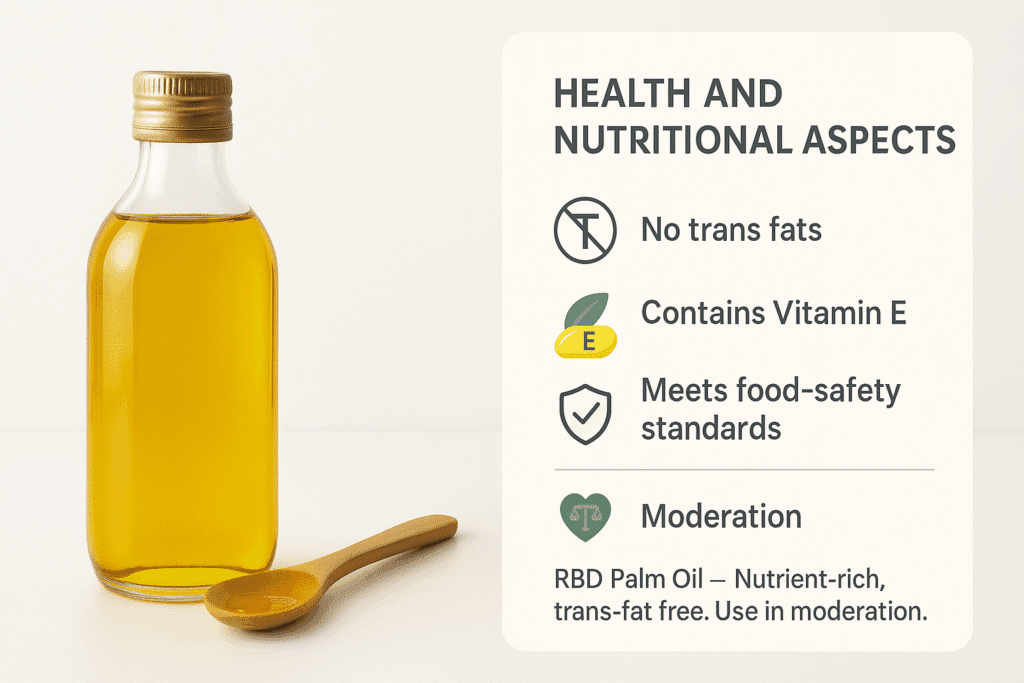
Although RBD Palm Oil is rich in saturated fats, it contains no trans fats and provides essential nutrients, including vitamin E in the form of tocopherols and tocotrienols.
These antioxidants support immune function and cell protection. However, like all fats, it should be consumed in moderation.
Critics often raise concerns about palm oil’s impact on heart health due to its saturated fat content.
Nevertheless, scientific studies indicate that when consumed within recommended limits and as part of a balanced diet, palm oil does not pose significant health risks.
Moreover, most commercial RBD Palm Oil is free from contaminants and complies with strict food safety regulations.
Palm Oil Production and RSPO:
Palm oil production has come under scrutiny due to concerns over deforestation and biodiversity loss. However, the industry is increasingly adopting sustainable practices.
Certifications such as RSPO (Roundtable on Sustainable Palm Oil) promote environmentally friendly farming and processing practices.
Consumers and manufacturers are encouraged to choose certified sustainable palm oil products to reduce the environmental impact associated with traditional palm oil farming.
Conclusion:
RBD Palm Oil is a vital ingredient in today’s global economy. Its versatility, affordability, and technical properties make it suitable for a wide array of applications.
With ongoing advancements in sustainable sourcing and responsible consumption, RBD Palm Oil is expected to remain a key player in both the food and industrial sectors for years to come.
Disclaimer: The content on this website is for general informational and educational purposes only. It is not intended to provide medical advice, diagnosis, or treatment. Always consult a qualified healthcare professional, doctor, or dietitian before making any changes to your diet, exercise routine, or lifestyle. Reliance on any information provided on this site is solely at your own risk.